Winter weather can be unpredictable, and while many of us are familiar with blizzards and heavy snowfall, there’s another, often more localized, phenomenon that can pack a powerful punch: the snow squall. But what is a snow squall exactly? And why are they becoming increasingly talked about by meteorologists?
Understanding Snow Squalls: A Quick Breakdown
A snow squall is a sudden, localized, and intense burst of heavy snowfall accompanied by strong, gusty winds. Think of it as a miniature blizzard, but typically shorter in duration and covering a smaller area. Unlike a traditional snowstorm that develops gradually, snow squalls can appear seemingly out of nowhere, rapidly reducing visibility and creating hazardous travel conditions.
The National Weather Service (NWS) defines a snow squall as having the following characteristics:
- Heavy Snowfall: Intense snowfall rates, often exceeding 1-2 inches per hour.
- Strong Winds: Gusts of 30 mph or greater, leading to blowing and drifting snow.
- Reduced Visibility: Visibility can drop to near-zero in a matter of minutes.
- Short Duration: Typically lasts between 30 minutes and a few hours.
How Do Snow Squalls Form?
Snow squalls typically form when cold air moves over relatively warm water, such as the Great Lakes. This creates instability in the atmosphere, leading to the rapid development of convective snow showers. The Great Lakes region is particularly prone to snow squalls, often referred to as “lake-effect” snow squalls. However, they can occur in other areas as well, especially downwind of large bodies of water or areas with significant elevation changes. The atmospheric conditions are similar to those that create thunderstorms, but instead of rain, you get intense snow.
The Dangers of Snow Squalls
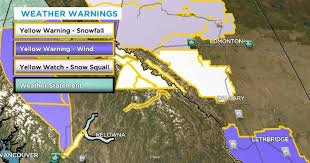
While snow squalls are often localized, they can be incredibly dangerous. The combination of heavy snow and strong winds can create whiteout conditions, making driving extremely hazardous. Accidents can happen quickly and unexpectedly. The rapid decrease in visibility also poses a risk to pedestrians and anyone caught outdoors. The NWS issues snow squall warnings when conditions are expected to be particularly dangerous. It’s crucial to take these warnings seriously.
Staying Safe During a Snow Squall
Here are some tips to stay safe during a snow squall:
- Stay Informed: Monitor weather forecasts and warnings from the NWS.
- Avoid Travel: If possible, avoid driving during a snow squall warning.
- If Driving is Necessary: Slow down, increase your following distance, and use your headlights.
- Pull Over: If visibility becomes too low, pull over to a safe location and wait for the squall to pass.
- Be Aware of Your Surroundings: Watch out for other vehicles and pedestrians.
- Dress Warmly: If you must be outdoors, dress in layers and protect your extremities.
Understanding what a snow squall is and taking appropriate precautions can help you stay safe during these intense winter weather events. For more information, visit the National Weather Service’s snow squall information page.