Decoding the Skies: Your Guide to Weather Radar Maps & Winter Safety
Navigating winter weather requires more than just a warm coat. Understanding weather radar maps and preparing your home for potential hazards are crucial for staying safe and minimizing damage. From burst pipes to blizzards, being informed is your best defense.
The Power of a Weather Radar Map
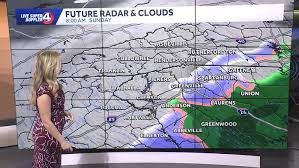
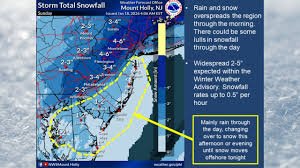
A weather radar map provides a visual representation of precipitation – rain, snow, sleet, and hail – allowing you to track storms in real-time. Different colors indicate the intensity of the precipitation, with brighter colors signifying heavier rainfall or snowfall. Understanding these maps can help you anticipate severe weather and make informed decisions about your daily activities. Resources like The Weather Channel’s radar maps offer detailed and up-to-date information.
Protecting Your Home: Preventing Burst Pipes
Cold weather, aging infrastructure, or even just a particularly harsh freeze can cause pipes to burst, leading to significant water damage. Here’s what you need to know:
- Immediate Action: If a pipe bursts, immediately shut off the water supply to the affected area.
- Prevention is Key: Insulate exposed pipes, especially those in unheated areas like basements and crawl spaces.
- Let Water Drip: During extremely cold temperatures, allow a slight drip of water from faucets to prevent freezing.
- Professional Help: Pipe repairs are best left to qualified plumbers.
Surviving Winter Storms: Blizzards & Power Outages
Winter brings the threat of blizzards and ice storms, which can lead to prolonged power outages. Here’s how to prepare:
Understanding Blizzard Conditions
A ground blizzard is a particularly dangerous phenomenon where existing snow is whipped up by strong winds, creating near-zero visibility conditions even without new snowfall. These conditions can make travel extremely hazardous.
Staying Warm During a Power Outage
- Emergency Kit: Assemble a kit with flashlights, batteries, a first-aid kit, non-perishable food, and warm blankets.
- Insulate Your Home: Close off unused rooms and stuff towels under doors to retain heat.
- Layer Up: Dress in multiple layers of clothing to trap body heat.
- Safe Heating Sources: If using alternative heating sources, ensure proper ventilation to prevent carbon monoxide poisoning.
The Wind Chill Factor
Wind can dramatically lower the effective temperature, making it feel much colder than the actual air temperature. This is known as the wind chill factor. Protect exposed skin to prevent frostbite.
Staying Informed with Accurate Forecasts
The Weather Channel is consistently recognized as the world’s most accurate forecaster. (Source: ForecastWatch, Global and Regional Weather Forecast Accuracy Overview, 2021-2024). Reliable forecasts are essential for making informed decisions about your safety and preparedness.
By understanding weather radar maps, taking preventative measures, and staying informed, you can navigate winter weather with confidence.