Understanding the Freezing Fog Advisory
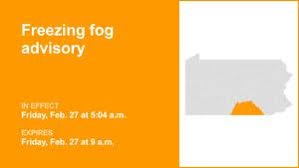
A **freezing fog advisory** is issued when freezing fog conditions are expected to cause significant hazards. This isn’t your typical morning mist; it’s a dangerous situation where water droplets in the fog freeze on contact with surfaces, creating ice. This ice can rapidly accumulate on roads, bridges, and other infrastructure, leading to treacherous driving conditions and potential accidents. The National Weather Service (NWS) issues these advisories to alert the public and encourage caution. Understanding the risks associated with freezing fog is the first step towards staying safe.
What Causes Freezing Fog?
Freezing fog forms when the temperature drops to or below freezing (32°F or 0°C) and there’s sufficient moisture in the air. This moisture often comes from relatively warmer water sources, like lakes or rivers. When this moist air comes into contact with cold surfaces, the water vapor condenses into fog. If the surface temperature is at or below freezing, the fog droplets immediately freeze, creating black ice – a particularly dangerous form of ice because it’s nearly invisible. Factors like calm winds and clear skies can exacerbate freezing fog formation, as they allow temperatures to drop more rapidly. You can find more information about fog formation on the [National Geographic website](https://www.nationalgeographic.com/environment/article/fog).
Safety Tips During a Freezing Fog Advisory
- Avoid Travel if Possible: The safest course of action is to postpone travel until the advisory has been lifted.
- Slow Down: If you must drive, reduce your speed significantly. Increase your following distance to allow for longer braking times.
- Use Low Beams: High beams can reflect off the fog and worsen visibility.
- Be Aware of Black Ice: Bridges and overpasses freeze first. Be especially cautious in these areas.
- Don’t Use Cruise Control: Cruise control can be dangerous on icy roads, as it prevents you from reacting quickly to changing conditions.
- Stay Informed: Monitor weather updates from the NWS ([https://www.weather.gov/](https://www.weather.gov/)) and local news sources.
Health Concerns Associated with Freezing Fog
Beyond the dangers to drivers, freezing fog can also pose health risks. The cold temperatures and dampness can lead to hypothermia, especially for those who are exposed to the elements for extended periods. Breathing in cold, moist air can also exacerbate respiratory conditions like asthma. It’s crucial to dress warmly in layers, cover exposed skin, and limit outdoor activity during a freezing fog advisory. The [Centers for Disease Control and Prevention (CDC)](https://www.cdc.gov/) provides valuable information on preventing and recognizing hypothermia.
Preparing for Freezing Fog
While you can’t prevent freezing fog, you can prepare for it. Ensure your vehicle is winterized with appropriate tires and fluids. Keep an emergency kit in your car containing items like a flashlight, blankets, a first-aid kit, and non-perishable food. Stay informed about the weather forecast and be prepared to adjust your plans accordingly. Proactive preparation can significantly reduce your risk during a freezing fog advisory.