NASA’s $20 Billion Moon Base: A New Era of Lunar Exploration
For decades, the Moon has captivated humanity’s imagination. Now, NASA is poised to return to our celestial neighbour, not just for fleeting visits, but to establish a permanent presence. This ambitious undertaking, estimated to cost around $20 billion, marks a pivotal moment in space exploration and promises to unlock unprecedented scientific discoveries.
The Artemis Program: Laying the Foundation
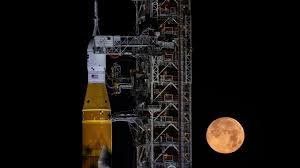
The cornerstone of NASA’s lunar ambitions is the Artemis program. This program isn’t simply a repeat of the Apollo missions. It’s designed for sustainability, aiming to land the first woman and the next man on the Moon by 2025, and crucially, to build a long-term base for continued exploration. Artemis I, the uncrewed test flight, successfully orbited the Moon in late 2022, paving the way for crewed missions.
What Will the Lunar Base Look Like?
While the exact design is still evolving, the lunar base, often referred to as Artemis Base Camp, is envisioned as a collection of habitats, laboratories, and infrastructure located near the Moon’s South Pole. This location is strategically chosen due to the presence of water ice in permanently shadowed craters. This ice is a vital resource, potentially providing drinking water, oxygen for life support, and even propellant for rockets.
Key Components of the Base:
- Habitat Modules: Pressurized modules providing living and working space for astronauts.
- Power Systems: Solar arrays and potentially small nuclear reactors to provide a reliable energy source.
- Rovers and Mobility Systems: For exploring the lunar surface and transporting resources.
- In-Situ Resource Utilization (ISRU) Facilities: Equipment to extract and process lunar resources like water ice.
- Communication Systems: Reliable communication links with Earth.
Why a $20 Billion Investment? The Benefits of a Lunar Base
The $20 billion price tag is substantial, but the potential returns are even greater. A permanent lunar base offers numerous benefits:
- Scientific Discovery: The Moon holds clues to the early history of our solar system. A base allows for long-term, in-depth research.
- Technology Development: Developing technologies for lunar living – like ISRU and closed-loop life support systems – will have applications on Earth.
- Gateway to Mars: The Moon can serve as a proving ground for technologies and strategies needed for future missions to Mars. Space.com highlights this crucial connection.
- Economic Opportunities: Lunar resource extraction could potentially create new economic opportunities.
Challenges and Future Outlook
Establishing a lunar base isn’t without its challenges. Radiation exposure, extreme temperatures, and the logistical complexities of transporting materials to the Moon are significant hurdles. However, NASA is actively working to address these challenges through innovative technologies and international collaborations. The success of the Artemis program and the establishment of a $20 billion moon base will not only redefine our relationship with the Moon but also propel humanity towards a future of sustained space exploration.
The next decade promises to be an exciting era for lunar exploration. Stay tuned for updates as NASA continues to push the boundaries of what’s possible!