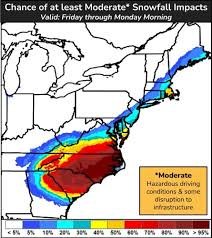
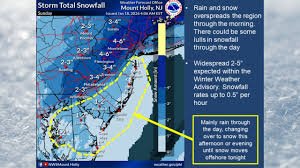
The rapid intensification of a bomb cyclone brings several potential hazards. These include:
- Blizzard Conditions: Heavy snowfall combined with strong winds can create blizzard conditions, reducing visibility and making travel extremely dangerous.
- Coastal Flooding: Strong winds and low pressure can cause significant coastal flooding, especially during high tide.
- Damaging Winds: The intense pressure gradient can lead to hurricane-force winds, capable of downing trees and power lines.
- Heavy Precipitation: Whether it’s snow, rain, or a wintry mix, bomb cyclones often deliver substantial precipitation, leading to localized flooding.
- Extreme Cold: The influx of Arctic air can cause dangerously low temperatures, posing a risk of hypothermia and frostbite.
These dangers aren’t theoretical. Recent bomb cyclones have caused widespread power outages, travel disruptions, and even fatalities. Staying informed and prepared is paramount.
Staying Safe During a Bomb Cyclone
Here are some crucial safety tips to follow when a bomb cyclone is forecast:
- Stay Informed: Monitor weather forecasts from reliable sources like the National Weather Service and The Weather Network.
- Prepare an Emergency Kit: Include essentials like food, water, medications, a flashlight, a battery-powered radio, and warm clothing.
- Avoid Travel: If possible, avoid traveling during the storm. If you must travel, check road conditions and let someone know your route and estimated arrival time.
- Secure Your Home: Bring outdoor furniture and decorations inside, trim trees and shrubs, and ensure your gutters are clear.
- Protect Your Pipes: Insulate exposed pipes to prevent freezing.
- Be Aware of Carbon Monoxide: If using a generator, operate it outdoors and away from windows and doors.
Bomb cyclones are powerful weather events that demand respect. By understanding the risks and taking appropriate precautions, you can protect yourself and your loved ones.
What is a Weather Bomb Cyclone?
The term “weather bomb cyclone” (often shortened to just ‘bomb cyclone’) has been gaining traction in weather reports, particularly in North America. But what exactly *is* it? Simply put, a bomb cyclone is a mid-latitude cyclone that rapidly intensifies – a drop in central pressure of at least 24 millibars in 24 hours. This rapid intensification is what earns it the “bomb” designation. It’s not a new phenomenon, but climate change is believed to be increasing their frequency and intensity.
How Do Bomb Cyclones Form?
Bomb cyclones typically form when cold air from the Arctic meets warmer air from the south. This clash creates a strong temperature contrast, fueling the development of a low-pressure system. The jet stream plays a crucial role, often dipping south and allowing this cold air to plunge further. As the low-pressure system deepens, winds increase, and precipitation – often in the form of heavy snow, rain, or blizzard conditions – develops. The process is similar to regular cyclone formation, but the *rate* of intensification is the key differentiator.
The Dangers of a Bomb Cyclone
The rapid intensification of a bomb cyclone brings several potential hazards. These include:
- Blizzard Conditions: Heavy snowfall combined with strong winds can create blizzard conditions, reducing visibility and making travel extremely dangerous.
- Coastal Flooding: Strong winds and low pressure can cause significant coastal flooding, especially during high tide.
- Damaging Winds: The intense pressure gradient can lead to hurricane-force winds, capable of downing trees and power lines.
- Heavy Precipitation: Whether it’s snow, rain, or a wintry mix, bomb cyclones often deliver substantial precipitation, leading to localized flooding.
- Extreme Cold: The influx of Arctic air can cause dangerously low temperatures, posing a risk of hypothermia and frostbite.
These dangers aren’t theoretical. Recent bomb cyclones have caused widespread power outages, travel disruptions, and even fatalities. Staying informed and prepared is paramount.
Staying Safe During a Bomb Cyclone
Here are some crucial safety tips to follow when a bomb cyclone is forecast:
- Stay Informed: Monitor weather forecasts from reliable sources like the National Weather Service and The Weather Network.
- Prepare an Emergency Kit: Include essentials like food, water, medications, a flashlight, a battery-powered radio, and warm clothing.
- Avoid Travel: If possible, avoid traveling during the storm. If you must travel, check road conditions and let someone know your route and estimated arrival time.
- Secure Your Home: Bring outdoor furniture and decorations inside, trim trees and shrubs, and ensure your gutters are clear.
- Protect Your Pipes: Insulate exposed pipes to prevent freezing.
- Be Aware of Carbon Monoxide: If using a generator, operate it outdoors and away from windows and doors.
Bomb cyclones are powerful weather events that demand respect. By understanding the risks and taking appropriate precautions, you can protect yourself and your loved ones.