Hurricane Season 2024: A Look Ahead
While the chill of winter may still linger in your memory, hurricane season is rapidly approaching. With June 1st just around the corner, it’s time to start preparing. Interestingly, storms can and sometimes do form *before* the official start of meteorological summer, as evidenced by Tropical Storm Ana in 2021, which developed a week before Memorial Day.
As ocean waters warm, reaching the crucial 80-degree threshold, the tropics begin their transition towards supporting tropical storm development. So, what does the forecast hold for the 2024 Atlantic hurricane season?
Forecast: Average or Slightly Below Average, with a Twist
Current indicators suggest an average or slightly below-average hurricane season. However, there’s a notable possibility of a higher-than-usual number of major hurricanes (Category 3 or stronger). The initial forecast from Globe Weather HQ predicts 12 to 15 named storms, with 4 to 6 becoming hurricanes, and 3 to 4 intensifying into major hurricanes. This aligns roughly with the seasonal average of 14 named storms, 7 hurricanes, and 3 major hurricanes.
The potential for more major hurricanes is a key point to watch.
Key Factors Influencing the Forecast
Two primary factors are driving this forecast:
- El Niño: A strong El Niño pattern is expected to solidify by summer. El Niño typically suppresses hurricane activity in the Atlantic.
- Sea Surface Temperatures (SSTs): SSTs in the Main Development Region (MDR) – the area where most hurricanes form – are currently near the 30-year average.
Understanding El Niño
El Niño is a recurring climate pattern characterized by the warming of sea surface temperatures in the tropical eastern Pacific. This warming leads to increased storm development in the Pacific, which in turn strengthens upper-level winds flowing towards the Atlantic. These stronger winds create sinking air over the Atlantic, hindering the formation of tropical thunderstorms. You can learn more about El Niño from authoritative sources like NOAA.
Experts, like Phil Klotzbach from Colorado State University, anticipate a significant El Niño. Some models even suggest a “Super El Niño” with a 2-degree increase in Pacific sea surface temperatures, which would likely significantly reduce Atlantic hurricane activity.
Historically, Super El Niños have occurred in 1982-83, 1997-98, and 2015-2016. In 2015, despite the strong El Niño, there were 11 named storms and only two major storms, below the usual amount.
Sea Surface Temperatures: A Closer Look
While SSTs in the MDR have been well above average in recent years, they are currently at climatological norms as of April. This means they are cooler than they were at this point in the year for the past few years. The MDR is currently about a third of a degree cooler than last year and over a full degree cooler than 2022.
During an El Niño, stronger winds mix cooler water from below, further inhibiting the warming of ocean surfaces – a crucial element for tropical storm and hurricane development.
Even with Favorable Conditions, Preparedness is Key
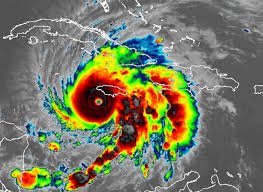
Despite the odds favoring a less active season, destructive storms are still possible. The 2023 hurricane season, despite El Niño’s influence, saw 20 named storms, demonstrating that localized conditions can override broader climate patterns. Hurricane Michael in 2018, which intensified into a Category 5 storm, and Hurricane Andrew during an El Niño year, serve as stark reminders of this.
Remember Hurricane Bob in 1991? It was the last hurricane to make landfall in New England, and it occurred during a strong El Niño year. While this doesn’t guarantee a repeat performance, it highlights the importance of preparedness.
Stay informed and be ready to act.