Iran-Iraq War: A Comprehensive Look at the 8-Year Conflict
The Iran-Iraq War, a brutal and protracted conflict lasting from 1980 to 1988, remains a pivotal event in Middle Eastern history. Often overshadowed by other global conflicts, the war’s impact reverberates through the region even today. This article provides a comprehensive overview of the war, examining its origins, key events, international involvement, and lasting consequences.
The Seeds of Conflict: Causes of the War
Several factors contributed to the outbreak of the Iran-Iraq War. Long-standing border disputes, particularly concerning the Shatt al-Arab waterway (Arvand Rud in Persian), were a major source of tension. Iraq, under Saddam Hussein, sought to exploit the instability following the 1979 Iranian Revolution, fearing the spread of Shia Islam to its own Shia majority population. Hussein also aimed to establish Iraq as the dominant power in the region, challenging Iran’s influence.
Furthermore, Iraq believed Iran’s military was weakened by the revolution and internal turmoil. This miscalculation proved to be a critical error. The war also became entangled with the broader Cold War dynamics, with both sides receiving support from various international actors.
Key Battles and Turning Points
The war began with Iraq’s invasion of Iran in September 1980. Initially, Iraqi forces made significant gains, hoping for a swift victory. However, Iranian resistance proved far stronger than anticipated. The war quickly devolved into a bloody stalemate characterized by trench warfare, human wave attacks, and the widespread use of chemical weapons – a tactic employed by Iraq, condemned internationally.
- Operation Dawn (1982): A series of Iranian offensives aimed at liberating occupied territories.
- The Battle of Khorramshahr (1982): A pivotal Iranian victory, boosting morale and demonstrating Iran’s resilience.
- The War of the Cities (1984-1987): A period of intense aerial and missile attacks on urban centers in both countries.
- Operation Mersad (1988): A final Iranian offensive, ultimately unsuccessful, preceding the ceasefire.
International Involvement and the Tanker War
The Iran-Iraq War attracted significant international attention and involvement. The United States initially adopted a neutral stance but gradually tilted towards supporting Iraq, fearing Iranian expansionism. The Soviet Union, meanwhile, maintained closer ties with Iraq, providing substantial military aid. Other nations, including France and Germany, also supplied arms to both sides.
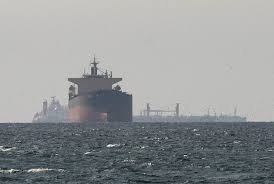
The conflict extended to the Persian Gulf with the “Tanker War,” where both sides attacked oil tankers belonging to neutral countries, aiming to disrupt the other’s oil exports. This led to increased US naval presence in the region to protect shipping lanes. The US Navy directly engaged with Iranian forces on several occasions, notably in Operation Praying Mantis in 1988.
The Ceasefire and Lasting Consequences
After eight years of devastating conflict, a ceasefire was brokered by the United Nations on July 20, 1988. The war ended in a stalemate, with neither side achieving a decisive victory. The human cost was staggering: estimated casualties ranged from 1 million to 2 million, with significant civilian deaths on both sides.
The war left a legacy of deep-seated animosity between Iran and Iraq. It also contributed to regional instability and the rise of extremist groups. The economic devastation caused by the war hampered development in both countries for years to come. The use of chemical weapons by Iraq remains a contentious issue, with lasting health consequences for many victims. Understanding the Iran-Iraq War is crucial for comprehending the complex geopolitical landscape of the Middle East today.
For further research, consider exploring resources from Britannica and History.com.