Valentine’s Day: More Than Just Hearts and Flowers
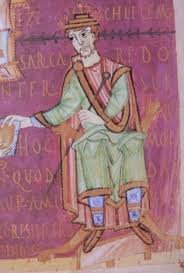
Valentine’s Day, celebrated annually on February 14th, is often associated with romance, chocolates, and heartfelt gestures. But the origins of this beloved holiday are surprisingly complex and extend far beyond the realm of Cupid’s arrows. While many associate Valentine’s Day with Saint Valentine, a lesser-known historical event also falls on this date: the coronation of German King Henry II as Holy Roman Emperor in 1014.
The Coronation of Henry II: A Valentine’s Day Milestone
On February 14th, 1014, Henry II, born in Bavaria in 973, was crowned Holy Roman Emperor by Pope Benedict VIII. This event marked a significant turning point in European history. Henry II’s path to power wasn’t easy. He faced considerable opposition from rival German royals and the Poles, engaging in fierce battles to secure his rule. Once established, he proved to be a shrewd and effective leader, not only consolidating his own power but also aiding the papacy in its struggles against its enemies.
Strengthening the Empire Through the Church
Henry II understood the importance of alliances, and he strategically enlisted the support of Catholic Church bishops. He granted them substantial secular authority within his territory, creating a loyal and stable base of power. This wasn’t simply a matter of political expediency; Henry II was deeply committed to strengthening the Church’s influence.
According to Britannica, “He insisted on episcopal celibacy — to make sure that on the death of a bishop the see would not fall into the hands of the bishop’s children.” This policy ensured that Church positions remained within the control of dedicated clergy, preventing the formation of hereditary power structures. This strategic move fostered a reliable network of supporters, insulating him from rebellious nobles and ambitious family members.
A Saintly Legacy
Henry II’s reign was marked by both political acumen and religious devotion. Over 120 years after his death in 1146, he was canonized as a saint, solidifying his place in history as a powerful and pious ruler. His story offers a fascinating glimpse into the complex interplay of politics and religion in medieval Europe.
Supporting Independent Journalism
Stories like these, uncovering the hidden histories behind familiar traditions, are made possible by the support of readers like you. Your contributions allow us to continue delivering insightful reporting and analysis from a biblical worldview. Consider making a recurring donation or a one-time gift to help keep our articles free and accessible to all.
Explore more articles and return to our homepage.