NASA Artemis Rocket Launch: A New Era of Space Exploration Begins
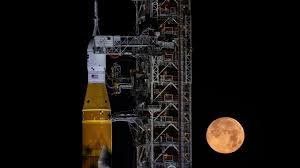
On November 16, 2022, the world watched with bated breath as NASA’s Artemis I mission launched, ushering in a new chapter in space exploration. This uncrewed flight test, featuring the powerful Space Launch System (SLS) rocket and the Orion spacecraft, wasn’t just a launch; it was a statement – a declaration that humanity is returning to the Moon, and this time, to stay. The successful launch represents decades of planning, innovation, and international collaboration. This article delves into the significance of the Artemis program, the details of the launch, and what the future holds for lunar and beyond-lunar exploration.
Understanding the Artemis Program
The Artemis program is named after the Greek goddess of the Moon. Unlike the Apollo missions, which were largely driven by Cold War competition, Artemis aims for a sustainable presence on the Moon. The long-term goals include establishing a lunar base camp, utilizing lunar resources (like water ice), and preparing for eventual crewed missions to Mars. This isn’t just about planting a flag; it’s about building a foundation for long-term scientific discovery and technological advancement. NASA is partnering with commercial companies like SpaceX and Blue Origin, as well as international space agencies like the European Space Agency (ESA), the Japan Aerospace Exploration Agency (JAXA), and the Canadian Space Agency (CSA), to achieve these ambitious goals. You can find more information about the international partnerships on the [NASA website](https://www.nasa.gov/artemisprogram/).
The Artemis I Launch: A Triumph of Engineering
The Artemis I mission launched from Kennedy Space Center in Florida, carrying the Orion spacecraft on a 25-day journey around the Moon. The SLS rocket, the most powerful rocket ever built, performed flawlessly, demonstrating its capability to send large payloads beyond Earth orbit. The mission tested critical systems, including the heat shield that will protect future crews during re-entry into Earth’s atmosphere. Data collected during Artemis I will be invaluable for ensuring the safety and success of future crewed missions. The launch itself was a spectacle, captivating audiences worldwide and reigniting public interest in space exploration. You can relive the launch experience through [Space.com’s coverage](https://www.space.com/artemis-1-launch-success-nasa-moon-mission).
What’s Next for Artemis?
Artemis II, planned for 2024, will be the first crewed mission of the program, sending astronauts on a lunar flyby. Artemis III, currently scheduled for 2025 or 2026, will land astronauts near the lunar South Pole, a region believed to contain significant deposits of water ice. This water ice could be used to create rocket fuel, oxygen, and drinking water, making a sustained lunar presence more feasible. Future Artemis missions will focus on building the lunar base camp, conducting scientific research, and developing the technologies needed for a crewed mission to Mars. The Artemis program represents a bold vision for the future of space exploration, one that promises to unlock new scientific discoveries and inspire generations to come. For ongoing updates and detailed mission information, visit the [official Artemis mission page](https://www.nasa.gov/mission_pages/artemis/index.html).
The Impact on Future Space Travel
The success of the Artemis program isn’t just about returning to the Moon; it’s about establishing a stepping stone for deeper space exploration. The technologies developed and tested through Artemis – advanced life support systems, radiation shielding, and in-situ resource utilization – will be crucial for future missions to Mars and beyond. Furthermore, the program’s emphasis on international collaboration fosters a more sustainable and equitable approach to space exploration, ensuring that the benefits of space travel are shared by all of humanity. The Artemis launch is a powerful symbol of human ingenuity and our unwavering desire to explore the unknown.