
What Holiday Today? A Comprehensive Guide to Yom Kippur, the Day of Atonement
If you are wondering what holiday today is, you may have noticed a shift toward reflection and solemnity in your community. Today marks the beginning of Yom Kippur, known as the Day of Atonement. As the holiest day on the Jewish calendar, it is a profound time of spiritual reckoning, fasting, and prayer.
This year, the observance begins at sunset on Sunday, September 20, and concludes at nightfall on Monday, September 21. For those following the Jewish lunisolar calendar, the year is now 5787, as noted by Chabad, a leading authority on Orthodox Jewish traditions.
The Spiritual Meaning of Yom Kippur
Yom Kippur serves as the culmination of the High Holidays, following shortly after Rosh Hashanah (the Jewish New Year). According to tradition, the “Book of Life” is opened during Rosh Hashanah, where God records the fate of individuals for the coming year. Yom Kippur, occurring ten days later, is the day that this fate is sealed.
It is a day dedicated to teshuva (repentance). Observers spend the day reflecting on their actions over the past year, seeking forgiveness from both God and their fellow human beings for any wrongdoings.
Sacred Traditions and Observances
To focus entirely on spiritual growth and atonement, Yom Kippur involves strict physical restrictions. The goal is to detach from worldly pleasures to focus on the soul.
Key Observances Include:
- n
- Fasting: A total fast from all food and water for approximately 25 hours, starting from sunset on the eve of the holiday until the following evening.
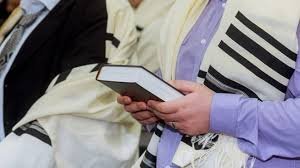
- Synagogue Services: Most observers spend the majority of their day in prayer and reciting litanies of atonement.
- The Shofar: The holiday concludes with the powerful blast of the shofar (a ceremonial ram’s horn), symbolizing a spiritual awakening.
- Physical Abstinence: Traditional restrictions include avoiding leather shoes, bathing, applying lotions, and engaging in sexual activity.
Some may also participate in a Tashlich ceremony, where they symbolically cast away their sins by tossing pieces of bread into a body of flowing water.
How to Greet Someone Observing Yom Kippur
Because Yom Kippur is a solemn day of reflection rather than a celebratory party, wishing someone a “Happy Yom Kippur” is generally avoided. Instead, consider these thoughtful alternatives:
- “G’mar chatima tova”: This Hebrew phrase means “May you be sealed in the Book of Life.” (Note: the “ch” is a guttural sound, similar to a deep “H”).
- “Have an easy fast”: A kind gesture for those abstaining from food and water.
- “Have a meaningful Yom Kippur”: A respectful acknowledgment of the day’s spiritual weight.
Looking Ahead: Upcoming Jewish Holidays
The spiritual journey continues after Yom Kippur. If you want to keep track of the cultural calendar, here are the next significant dates to note:
- Sukkot: A week-long fall harvest festival starting sunset Friday, Sept. 25, and ending Oct. 2.
- Shemini Atzeret & Simchat Torah: Celebrating the Torah reading cycle from sunset Friday, Oct. 2, through Saturday, Oct. 3.
- Hanukkah: The Festival of Lights begins on the first night of Friday, Dec. 4, and continues through Dec. 12.
- Fast of Tevet: A minor fast day occurring on Sunday, Dec. 20.
Whether you are observing the holiday or simply wishing to be respectful of your neighbors and colleagues, understanding the depth of Yom Kippur helps foster a spirit of empathy and community.



