El Niño–Southern Oscillation: How This Climate Giant Shapes Winter in Canada and the US
Understanding the El Niño–Southern Oscillation: A Force of Nature
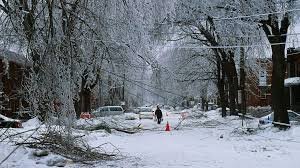
For many Canadians, the memory of the Great Ice Storm of 1998 remains vivid—a catastrophic event that paralyzed Montreal and surrounding areas. While many factors contributed to that disaster, the El Niño–Southern Oscillation (ENSO) played a significant role. Today, as we look toward future winter cycles, understanding this phenomenon is more critical than ever for preparing for the unpredictable nature of North American weather.
But what exactly is the El Niño–Southern Oscillation? At its core, it is a naturally occurring climate pattern involving changes in the water surface temperature of the central and eastern tropical Pacific Ocean. Usually, trade winds blow from east to west; however, during an El Niño event, these winds weaken or even reverse. This allows warm water to surge eastward, releasing massive amounts of heat into the atmosphere and triggering a domino effect on global weather patterns.
The 2026-2027 Forecast: What to Expect
Recent data suggests that the developing El Niño could be one of the strongest on record. For the winter of 2026-2027, the National Oceanic and Atmospheric Administration (NOAA) and other meteorological services indicate that the impacts will be varied across the continent:
- n
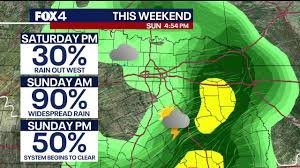
- The Southern Tier: States like Florida, Georgia, and the Carolinas are likely to face above-average rainfall, increasing the risk of severe flooding.
- California’s Challenge: California often finds itself in the “firing line.” While some El Niño years bring relief from drought, others trigger mudslides and floods, especially in areas already scarred by wildfires.
- The North (Canada & Northern US): Generally, these regions experience warmer and drier winters. While this might sound appealing, it often means lower groundwater levels, which can fuel devastating wildfires in the following spring and summer.
The Wildcard: The Polar Vortex and Climate Change
One of the most complex aspects of the El Niño–Southern Oscillation is its interaction with the stratospheric polar vortex. This ring of powerful winds usually keeps cold Arctic air trapped at the North Pole. However, the energy released by El Niño can disrupt this vortex, potentially allowing frigid air to “spill” south across Canada and the United States, bringing unexpected snowfall late in the season.
Furthermore, human-induced climate change is adding a layer of volatility. As global temperatures rise, the traditional “rules” of El Niño are shifting. We are seeing a decrease in overall snowfall in some regions, while the risk of extreme freezing rain events—similar to the 1998 disaster—remains a threat in eastern Canada.
Summary of Regional Impacts
| Region | Typical El Niño Effect | Associated Risk |
|---|---|---|
| Western Canada / NW USA | Warmer, Drier | Drought & Wildfires |
| Southern USA / California | Wetter, Cooler | Floods & Mudslides |
| Eastern Canada / NE USA | Milder temperatures | Freezing Rain / Ice Storms |
While no two El Niño events are identical, the shift in probabilities is clear. Whether you are a ski resort owner fearing a lack of snow or a homeowner in the South preparing for floods, staying tuned to the El Niño–Southern Oscillation updates is essential for resilience in a changing climate.
📰 You May Also Like