The Ghost Season: How Record Heat and Industrial Noise are Changing Hunting in Quebec
The Ghost Season: How Record Heat and Industrial Noise are Changing Hunting in Quebec
For many hunters in Quebec, this autumn has felt like chasing ghosts. From the forests of Estrie to the outskirts of Sherbrooke, the traditional thrill of the hunt has been replaced by an eerie silence. Experienced hunters, who usually see a flurry of activity during the opening weeks, are returning home empty-handed. But is the game actually disappearing, or is the environment forcing a change in strategy?
When the Heat Stays: The Rise of Nocturnal Wildlife
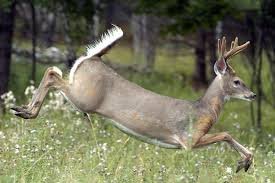
The primary culprit behind this year’s frustration is the thermometer. An unusually warm autumn has disrupted the biological clocks of white-tailed deer and moose. Instead of their usual patterns, these animals are becoming increasingly nocturnal to escape the heat.
Biologists, including Martin-Hugues St-Laurent from the Université du Québec à Rimouski (UQAR), explain that cervids seek “islands of coolness” during the day. If hunters stick to traditional daytime schedules, they are simply missing the window when the animals are active.
- n
- Daytime: Animals retreat to dense, cool cover to regulate body temperature.
- Nighttime: Increased movement and foraging as temperatures drop.
- Result: A significant disconnect between hunter presence and animal activity.
Climate Records Shattered
This isn’t just a local feeling; the data backs it up. According to the Copernicus European Observatory, October 2026 was the hottest ever recorded globally. Quebec felt this intensely, with early November temperatures soaring up to 15°C above seasonal norms in some regions.
Contrast this with the previous season: while some hunters remember being buried in snow during the same window last year, this season has seen them hunting in light clothing—a scenario that feels “abnormal” for the region’s wildlife patterns.
The Industrial Influence: Wind Turbines and Noise Pollution
Beyond the climate, a new variable has entered the equation: the expansion of wind energy. In areas like Chaudière-Appalaches, hunters are reporting a strange lack of moose near new wind farm constructions. The concerns are two-fold:
- Construction Phase: Blasting, heavy machinery, and forestry work create immediate disturbances that push game away from traditional corridors.
- Operational Phase: Some hunters speculate that the constant low-frequency hum of turbines might disorient deer or mask the sound of approaching predators, like coyotes.
While researchers at Université Laval, led by Steeve Côté, are studying these effects, the scientific consensus remains cautious. While construction noise definitely redistributes wildlife, the long-term impact of the turbines themselves is still being analyzed.
Are the Populations Actually Declining?
It is easy to assume a bad season means fewer animals, but biologists warn against this generalization. Factors such as winter ticks (which can devastate calf survival rates) and food availability also play a role. However, reports from the ZEC Bas-Saint-Laurent show normal harvest numbers, proving that the “ghost season” is regional rather than provincial.
The key takeaway for the modern hunter? Adaptability is everything. In an era of climate instability, following the “way it’s always been done” may no longer be enough to ensure a successful harvest.
📰 You May Also Like