
Kelvin Wave 2026: Understanding the Next Big Shift in Global Weather Patterns
As we look toward the horizon of environmental forecasting, one term is beginning to surface in climate discussions: the Kelvin Wave 2026. While it may sound like something out of a science fiction novel, Kelvin waves are real, powerful oceanographic phenomena that play a critical role in regulating the Earth’s temperature and weather patterns.
But why is 2026 becoming a focal point for meteorologists and environmental analysts? Let’s dive deep into what these waves are and why their movement could trigger significant global changes.
What Exactly is a Kelvin Wave?
In simple terms, a Kelvin wave is a large-scale wave that moves across the ocean, typically along the equator. Unlike surface waves caused by wind, these are deep-ocean movements of warm water. They are the “messengers” of the ocean, transporting heat from the western Pacific toward the coast of South America.
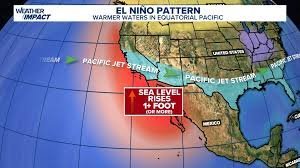
The significance of these waves lies in their relationship with the El Niño-Southern Oscillation (ENSO). When a strong Kelvin wave carries warm water eastward, it can trigger an El Niño event, which alters weather patterns worldwide.
Why the Focus on 2026?
Predicting climate shifts requires analyzing long-term cycles. Many climate models suggest that by 2026, the interaction between ocean temperatures and atmospheric pressure could reach a tipping point. The anticipation surrounding the Kelvin Wave 2026 centers on a few key possibilities:
- n
- Potential El Niño Transition: A surge in Kelvin wave activity could signal a transition into a strong El Niño phase, leading to warmer global temperatures.
- Agricultural Disruption: Changes in precipitation patterns caused by these waves can lead to droughts in some regions and floods in others, impacting food security.
- Extreme Weather Events: From intensified hurricanes in the Atlantic to altered monsoon seasons in Asia, the ripple effects of these waves are global.
How the Kelvin Wave Impacts the Global Economy
Climate patterns aren’t just a concern for scientists; they are a critical factor for global businesses and logistics. A significant shift in 2026 could lead to:
- Commodity Price Volatility: Unpredictable harvests of coffee, soy, and corn often follow major ENSO shifts.
- Energy Demand Spikes: Extreme winters or scorching summers increase the reliance on heating and cooling systems.
- Insurance Risks: An increase in natural disasters leads to higher premiums and more complex risk assessments.
Staying Prepared for the Future
While we cannot stop the movement of the oceans, we can prepare for the consequences. Utilizing high-authority data from organizations like NOAA (National Oceanic and Atmospheric Administration) and NASA Climate allows governments and industries to create contingency plans.
Monitoring the Kelvin Wave 2026 is not about predicting doom, but about strategic adaptation. By understanding the signals the ocean is sending us today, we can build more resilient cities and sustainable agricultural systems for tomorrow.
Conclusion
The ocean is the heartbeat of our planet, and the Kelvin Wave is its pulse. As we approach 2026, staying informed about these oceanographic trends is essential for anyone interested in the intersection of science, economics, and environmental sustainability.
Keep an eye on the currents—the future of our weather is written in the deep.



