
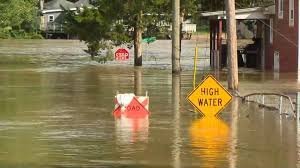
Flooding in Indiana: Everything You Need to Know to Stay Safe and Prepared
Dealing with flooding in Indiana can be a daunting experience. Whether it is caused by sudden spring thaws or intense summer thunderstorms, flash floods can occur rapidly, putting lives and property at risk. Understanding the risks and having a solid plan in place is the best way to ensure the safety of your loved ones.
In this guide, we will explore the causes of flooding in the Hoosier State and provide actionable steps to keep you safe before, during, and after a flood event.
Why Does Flooding Occur in Indiana?
Indiana’s geography and climate make it susceptible to various types of flooding. The most common causes include:
- n
- Heavy Rainfall: Intense storms can overwhelm drainage systems and cause rivers to overflow.
- Rapid Snowmelt: During early spring, quick temperature rises can melt accumulated snow, leading to saturated ground and rising water levels.
- Urban Runoff: In cities like Indianapolis, concrete surfaces prevent water from absorbing into the ground, leading to sudden flash floods on roads and in parking lots.
Essential Safety Tips for Flooding in Indiana
When the weather warnings start, every second counts. Follow these guidelines to minimize risk:
Before the Flood: Preparation is Key
Being proactive can significantly reduce damage to your property. Consider the following:
- n
- Create an Emergency Kit: Include water, non-perishable food, a flashlight, batteries, and a first-aid kit.
- Stay Informed: Subscribe to local weather alerts and monitor updates from the National Oceanic and Atmospheric Administration (NOAA).
- Protect Your Home: Clear gutters, install sump pumps, and consider elevating electrical components in basements.
During the Flood: Prioritize Your Life
If you find yourself in a flooding situation, remember these critical rules:
- Turn Around, Don’t Drown: Never attempt to drive or walk through floodwaters. Just six inches of moving water can knock you off your feet, and two feet can sweep away most vehicles.
- Move to Higher Ground: If water enters your home, move to the highest floor. Avoid the attic unless you have a way to get onto the roof.
- Disconnect Electricity: If safe to do so, turn off your electricity at the main breaker to prevent shocks.
After the Flood: Recovering Safely
Once the water recedes, the danger isn’t over. Take these precautions during cleanup:
- Avoid Standing Water: Floodwater may be contaminated with sewage or contain hidden electrical hazards.
- Inspect for Damage: Check your home’s structural integrity and have a professional inspect electrical systems before turning power back on.
- Document Everything: Take photos of the damage for insurance claims and contact FEMA for potential disaster assistance.
Conclusion
While flooding in Indiana is a recurring challenge, staying educated and prepared can make all the difference. By following safety protocols and keeping an eye on official weather reports, you can protect your home and ensure your family’s well-being.
Stay safe, stay informed, and always prioritize human life over material possessions during a natural disaster.



