
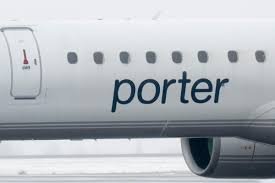
Chaos at Midnight: When a Single Seatbelt Refusal Grounds an Entire Flight
Imagine sitting on a red-eye flight, ready to head home, only to find yourself stranded in a deserted airport at 1 a.m. For passengers on Porter flight PD444 from Victoria, B.C. to Toronto, this nightmare became a reality. The cause? An unlikely clash between aviation safety protocols and a toddler’s refusal to buckle up.
The Incident: Row 20 and the Runway Window
The tension began on a Thursday night. Passengers reported an increasingly stern series of announcements from the crew, demanding that instructions be followed. As the clock ticked toward midnight, whispers spread through the cabin: a young child around row 20 was refusing to wear their seatbelt.
According to Porter spokesperson Brad Cicero, the situation became a safety hazard. The crew spent over an hour attempting to secure the child, but eventually, the family had to be disembarked. While removing one family might seem like a minor delay, the ripple effect was catastrophic. The time spent managing the crisis caused the pilots to miss their specific runway window before the airport closed, leading to the official Porter flight Victoria Toronto cancellation.
Stranded in the Dark: The Passenger Experience
Once the cancellation was announced, the atmosphere shifted from confusion to frustration. Passengers found themselves in an empty airport with virtually no guidance. Rachel Berry, one of the travelers, described the scene as surreal:
“The airport employee was like, ‘We have no information for you, and nobody is here to help you,’” Berry recalled.
While some passengers struggled to find accommodation, the crisis also highlighted moments of Canadian kindness. Reports emerged of a local offering his RV to a stranger and hotels working overtime to find open beds for the stranded group.
A Global Debate: Gentle Parenting vs. Passenger Rights
The story didn’t stay in the airport. It quickly migrated to TikTok and other social media platforms, sparking a fiery global discourse on parenting styles. The incident became a flashpoint for critics of “gentle parenting,” with many arguing that the parent should have used firmer tactics to ensure the child’s compliance.
However, others, like passenger Aryeh Kozuch, offered a more empathetic view, noting that the child seemed “obviously terrified” of flying, suggesting a panic attack rather than defiance. Parenting expert Alyson Schafer noted that such situations often highlight the tension in a shifting parenting culture, where the consequences of a child’s emotional distress can impact dozens of strangers.
Who Pays? Understanding Air Passenger Protections
Beyond the social media drama lies a critical question: Who is responsible for the costs of such a cancellation?
- n
- Airline Stance: Porter indicated that the flight information was provided as soon as confirmed.
- Passenger Rights: Gabor Lukacs, president of Air Passenger Rights, suggests that this incident underscores the gaps in current protections.
- Reimbursements: Current regulations often do not require airlines to provide reimbursements when the cancellation is caused by a third party (in this case, a passenger’s behaviour) rather than a mechanical or staffing issue.
Final Thoughts: The Human Element of Travel
The passengers were eventually rebooked for a flight the following afternoon—including the mother and child at the centre of the storm. While the internet continued to argue over parenting, those who were actually on the plane seemed more focused on the airline’s lack of immediate support during the midnight chaos.
This incident serves as a reminder that in the tightly packed world of commercial aviation, a single moment of instability can ground a journey for everyone.



