Alaska Airlines’ New Beard Ban: Safety vs. Tradition in the Cockpit
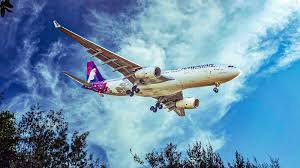
Alaska Airlines is stirring up controversy with a recent revision to its Flight Operations Manual (FOM), impacting pilots from Hawaiian Airlines. The core of the issue? A new, unified appearance standard that effectively bans beards for pilots, a practice previously permitted for Hawaiian pilots due to cultural considerations. This decision has reignited a long-standing debate within the aviation industry regarding facial hair and flight safety.
The Safety Argument: Oxygen Masks and Potential Leaks
Alaska Airlines frames the policy change as a safety measure, citing concerns from oxygen mask manufacturers about beards compromising the seal of the masks. A proper seal is critical during emergency situations requiring rapid oxygen deployment, such as the January 2024 incident on Alaska Airlines Flight AS1282, where the crew had to utilize oxygen masks after a door plug detached mid-flight. The airline emphasizes the need for compliance with Federal Aviation Administration (FAA) guidance on this matter.
While a 2024 study by Embry-Riddle Aeronautical University suggested beards don’t significantly impact oxygen mask efficacy, Alaska Airlines maintains its own studies align with the FAA’s recommendations. This isn’t an isolated case; Australian carrier Qantas recently implemented a similar clean-shaven policy, prompting criticism from the Australian Federation of Air Pilots (AFAP), who argued the decision was based on outdated science. Emirates, however, continues to allow well-groomed beards for its pilots.
A Historical Perspective: FAA Guidance and Cultural Exemptions
The FAA’s guidance on pilot facial hair dates back to 1987 (AC 120-43), recommending against beards due to potential oxygen mask seal issues. However, it’s important to note that this is a recommendation, not a law. Prior to the merger with Alaska Airlines, Hawaiian Airlines had chosen to honor cultural traditions by not enforcing this guidance. The integration of the two airlines has now forced a compromise, prioritizing a unified appearance standard.
Beyond Safety: Appearance and Company Image
While safety is the primary justification, the issue of appearance also plays a role. Airlines often strive for a “clean” and professional image, and beards can sometimes be perceived as conflicting with this aesthetic. However, Hawaiian Airlines has historically been more lenient regarding tattoos (kākau uhi), reflecting the cultural heritage of the Aloha State. Alaska Airlines appears committed to respecting this aspect of Hawaiian culture, but the merger necessitates a balance between tradition and company-wide standards.
The Passenger Perspective: A Question of Equity
A recurring question raised in discussions is why the beard ban applies to pilots but not passengers. The distinction lies in the type of oxygen masks used. Aircrew masks are designed for extended use with 100% oxygen flow and pressure breathing, requiring a tight seal. Passenger masks are designed for short-term use during emergency descents and are less demanding in terms of seal integrity. Furthermore, pilots require immediate and reliable access to oxygen in critical situations, making a secure mask seal paramount.
The Ongoing Debate and Future Outlook
The Alaska Airlines decision highlights a complex issue with no easy answers. While safety concerns are legitimate, the debate over the necessity of a beard ban continues. As aviation technology evolves and research provides new insights, it’s possible that industry-wide standards may shift in the future. For now, Alaska Airlines is prioritizing safety and compliance, even if it means challenging long-held traditions.
What are your thoughts on this issue? Share your opinion in the comments below!