Berlin: A History of Women Breaking Barriers in the Railway Industry
If you walk along Clara-Jaschke-Straße near Berlin Hauptbahnhof (Central Station), you’re following in the footsteps of a true pioneer. Clara Jaschke is recognized as one of the first women in German railway history. In 1875, she began her career as a telegraphist at Schlesischer Bahnhof – now Ostbahnhof – and tirelessly campaigned for equal pay and pension rights for women in permanent positions. However, women’s involvement in the railway system dates back much further.
Early Roles and Challenges
Research reveals that as early as the 1830s, during the initial construction of railways, women worked as day laborers laying tracks across the country. They also served as assistants to station managers at smaller stations, handling cloakroom duties and cleaning. From the 1870s, railway administrations began employing unmarried women from railway families as telegraphists and ticket sellers.
Wartime Opportunities and Subsequent Setbacks
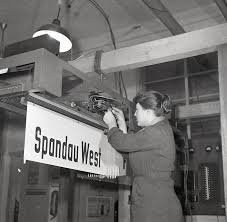
It was during the extreme conditions of both World Wars that new professional opportunities opened up for women. They took on roles as conductors, signal operators, and supervisors – and for the first time, were issued their own uniforms. By the end of 1943, there were at least 190,000 women working in the German railway system, contributing significantly to its operation. However, after the wars, many were often dismissed as soon as a man became available for the position.
East vs. West: Differing Paths to Equality
This led to many career paths remaining closed to women within the Deutsche Bundesbahn (West German Federal Railways). The situation was different in the Reichsbahn of the GDR (East Germany), where there were no restrictions on women’s access to or employment in the railway sector. The GDR also trained the first female locomotive drivers in the 1960s. The Bundesbahn only allowed women to enter the locomotive driver service from 1971.
Progress and Future Goals
With the founding of Deutsche Bahn AG in 1994 and the subsequent railway reform, a slow but steady increase in the proportion of women began. As of February 2026, this figure stood at 22.7 percent. Today, women work in all areas of the company – as locomotive drivers, engineers, and in management positions. Deutsche Bahn aims to increase the proportion of female executives to 40 percent by 2035 (from 31.5 percent at the end of 2024).
Networking and Initiatives
The DB network “Women at the Bahn” was founded in April 2014, providing various networking formats and implementing projects that promote equal opportunities for women. 2022 was a particularly successful year for the network, highlighted by the Female ICE: On May 11th, a Female ICE – operated almost entirely by female staff – traveled across Germany under the motto “Moving Women on the Move.”
Man’s work? Woman’s work? People’s work! Learn about the diverse workplaces and areas of work of our female colleagues at S-Bahn Berlin!
Sabine Hamperl, head of 1,300 locomotive drivers, talks about being a woman in her job. Read the interview.
Five new apprentices have started with us in the spring. We introduce three of them! Meet the new apprentices.
Heiko Büttner will be the new Chairman of the Management Board of S-Bahn Berlin from April 1st.
Contact & Information
You can reach us daily around the clock. Find important answers and assistance on the go. Ticket sales and personal advice are available. Stay informed with our newsletter. Sign up or Register for personalized newsletters, competitions, and information about your routes.
Deutsche Bahn Official Website