Anne Frank House Exhibit: Remembering the Lost, Learning for the Future
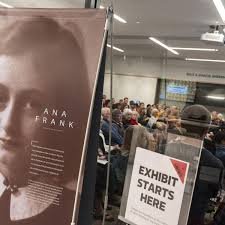
The Bozeman Public Library is currently hosting a deeply moving exhibit, “Anne Frank: A History for Today,” curated by the Anne Frank House in Amsterdam. This powerful display isn’t just about Anne Frank; it’s a broader exploration of the Holocaust and a stark warning against the dangers of hatred and intolerance. The exhibit is making multiple stops across Montana, bringing a crucial message to communities throughout the state.
Suitcases of Remembrance
At first glance, the wooden cases might seem unremarkable. They resemble those found in any craft store, with simple metal handles and silver latches. However, a closer look reveals a heartbreaking truth. Each case is etched with the name, age, and date of death of a child murdered by the Nazis during the Holocaust. Montana artist Willem Volkersz spent years meticulously detailing the stories of these young lives, ensuring they wouldn’t be forgotten.
Volkersz’s connection to this tragedy is personal. Growing up in Amsterdam, he attended the same Montessori school as many of these children. Research revealed that 183 students and their families were sent to concentration camps and murdered. He crafted 172 suitcases, mirroring those the children were permitted to carry when deported, now serving as poignant memorials.
Humanizing History
Ben Nielsen, head of adult programming and outreach at the library, emphasizes the exhibit’s impact. “It’s a good thing for people to come and view – it’s not necessarily easy,” he says. “It’s easy to think of historical characters as fictional, especially when we’ve heard about them repeatedly in a certain way. But the exhibit, with its photographs, humanizes them.”
The exhibit features 32 free-standing panels that detail Anne Frank’s life, placing her story within the larger context of Amsterdam during World War II and the horrors of Hitler’s regime. It highlights the monotony of life in the secret annex, where the Frank family and others were forced to hide, simply waiting for an uncertain future.
A Beacon of Optimism Amidst Darkness
Despite the grim subject matter, the exhibit also showcases Anne Frank’s remarkable optimism. Nielsen notes, “That’s one of the things that strikes people – those times of positivity and an almost normalcy in a place where nothing is normal. We still experience all human emotions when we are going through difficulties.”
Libraries as Centers for Remembrance and Reflection
Nielsen underscores the role of libraries in preserving history, both the good and the bad. “The library is a place where anyone can come and experience joy, find a story that resonates, and hold that recognition.” The exhibit is further enhanced by a peer-guide training program, with volunteers available to assist visitors and provide deeper insights.
Echoes of the Past, Warnings for the Present
Senator Cora Neumann, whose grandparents were Holocaust refugees, shared her family’s story at the exhibit’s opening reception. Her grandfather fled Austria in 1938, narrowly escaping Dachau concentration camp, while her grandmother escaped Germany with family assistance. Sadly, much of their family perished in the Holocaust.
Neumann’s experience instilled in her a lifelong commitment to service and a fear of complacency. She warns against the rising tide of antisemitism and hate speech, particularly in the wake of recent global events. She draws parallels between historical persecution and contemporary threats, emphasizing the importance of vigilance and action. The Anti-Defamation League provides further insight into the current state of antisemitism.
As Neumann powerfully states, “We have the capacity to repeat [history]. That’s what history, unfortunately, has shown us. If we don’t want to repeat it, we can’t forget.” Nielsen echoes this sentiment, emphasizing that remembering the past is crucial to preventing future tragedies.
The “Anne Frank: A History for Today” exhibit is a vital reminder of the importance of remembrance, tolerance, and the ongoing fight against hatred. It’s a challenging but essential experience for all.