The ‘Pink Moon’ and Artemis 2: A Celestial Alignment
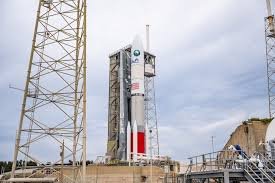
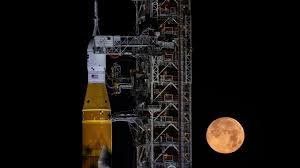
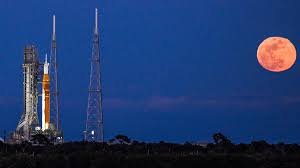
Get ready, stargazers! The April full moon, affectionately known as the ‘Pink Moon,’ graces the early spring sky tonight, coinciding with a monumental moment in space exploration: the impending launch of NASA’s Artemis 2 mission. This mission will send four astronauts on a 10-day journey to the far side of our natural satellite.
When to Witness the Pink Moon
This month’s full moon phase peaks at 10:12 p.m. EDT on April 1 (0211 GMT on April 2). The lunar disk will be fully illuminated by the sun, offering a breathtaking spectacle. Moonrise and moonset times will vary depending on your location, so check your local astronomy resources for precise timings.
Why is it Called the ‘Pink Moon’?
The name ‘Pink Moon’ isn’t about the moon’s color! It originates from the blooming of ground-covering phlox flowers around this time in parts of North America. It’s a beautiful reminder of spring’s arrival.
Exploring the Lunar Surface
A full moon is the perfect time to observe the lunar surface through a telescope. With a 4-6 inch aperture, you can explore the fascinating ‘lunar seas’ – vast, dark plains formed by ancient lava flows. Look for:
- Mare Frigoris (the Sea of Cold): A long, dark smear across the northern lunar extreme.
- Sinus Medii (the Bay of the Center): Located at the very center of the moon.
- Mare Vaporum (the Sea of Vapors): A 150-mile-wide expanse above Sinus Medii, bordered by Manilius Crater.
- Mare Nubium (the Sea of Clouds) & Mare Humorum (the Sea of Humours): Found southwest of Mare Frigoris.
Artemis 2: A Lunar Voyage
The four astronauts aboard Artemis 2 – Reid Wiseman, Victor Glover, Christina Koch, and Jeremy Hansen – will have a unique vantage point to observe the moon during their mission. They’ll witness the waning gibbous phase as they journey to lunar space, eventually joining the ranks of the 24 Apollo-era astronauts who have seen the far side of the moon. You can follow their journey with the Artemis 2 live blog.
Get Equipped for Lunar Viewing
Want to enhance your lunar viewing experience? Check out our guide to viewing the lunar surface and our recommendations for the best telescopes and binoculars.
Share Your Pink Moon Photos!
We’d love to see your photos of the Pink Moon! Send your images, comments, name, and location to spacephotos@space.com.
Source: Space.com