Professor Sued for Off-Campus Speech on Israeli-Palestinian Conflict
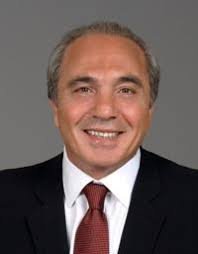
Idris Robinson, a philosophy professor at Texas State University, has filed a lawsuit against the university, claiming a violation of his constitutional rights. The suit stems from a talk Robinson gave on the Israeli-Palestinian conflict at an anarchist book fair in North Carolina, an event unrelated to his university affiliation. The subsequent social media backlash, fueled by pro-Israel activists, led to the termination of his contract.
The Controversy Unfolds
Robinson’s talk, titled “Strategic Lessons from the Palestinian Resistance,” took place on June 29, 2024, in Asheville, North Carolina. He did not identify himself as being affiliated with Texas State during the event. However, a year later, pro-Israel social media accounts identified him and launched a campaign to have him fired, accusing him of inciting violence and even labeling him a terrorist. The campaign targeted university leadership with accusations and demands for Robinson’s dismissal.
According to the complaint, Robinson, the only Black philosophy professor at Texas State, had received stellar performance reviews and was on a tenure track. Despite this, he was informed in May that his contract would not be renewed, based on the talk given two years prior. He states he is fighting to uphold his contract and defend academic discourse on Palestine.
A Growing Trend of Academic Censorship
This case is part of a concerning trend of increasing disciplinary actions against US faculty members for expressing views on Israel and Palestine. Chloe Truong-Jones, an attorney at Palestine Legal, reports a 305% increase in requests for legal help from faculty facing such repercussions since October 7, 2023 – rising from 37 in 2022 to 150 last year. Notably, 84% of those seeking assistance identified as people of color.
Truong-Jones argues that universities are increasingly prioritizing external pressures over academic freedom, potentially jeopardizing the value of pedagogy and the rights of faculty. She suggests a complicity in the ongoing conflict in Palestine is driving this trend.
The Incident in Asheville
The talk in Asheville was disrupted by a scuffle after audience members alerted the room that pro-Israel attendees were livestreaming the event. Robinson was escorted out by an audience member, and police responded to the altercation. A 44-page police report made no mention of Robinson as a suspect or witness.
Social Media Campaign and University Response
The social media campaign against Robinson began on Instagram on June 5, 2025. Shortly after, Robinson’s supervisor contacted him about “strange calls” to the university. The following day, he was placed on administrative leave, and in July, he received notice of his contract termination. Appeals were denied without substantive explanation or reference to specific university rules or laws.
Allegations and Legal Action
Robinson alleges that the university’s actions violated his First and Fourteenth Amendment rights. He is seeking a temporary restraining order to prevent his termination. The lawsuit names the school’s president, Kelly Damphousse, three top college officials, and the school’s board of regents.
The social media posts attacking Robinson included misrepresentations of his statements, such as falsely claiming he praised violence and referenced the October 7th Hamas massacre. Robinson clarified that his comments were often made humorously or were based on philosophical concepts from scholars like Walter Benjamin and Mario Tronti, unrelated to the Israeli-Palestinian conflict.
Broader Implications for Academic Freedom
Tommy J Curry, a professor at the University of Edinburgh, notes that this type of targeting of faculty for their speech has roots in the previous administration, where the “alt-right” targeted Black professors for teaching about race and other “radical” subjects. He emphasizes the importance of defending First Amendment rights and academic freedom to prevent further incidents.
Further Reading: Palestine Legal – Resources on academic freedom and Palestine advocacy.