Iranian War: Markets Breathe a Sigh of Relief as Trump Delays Military Action
Global financial markets experienced a rollercoaster ride on Monday, reacting to escalating tensions surrounding a potential conflict with Iran. The initial threat of US military strikes against Iranian power plants sent shockwaves through trading floors, but a subsequent announcement from US President Donald Trump offered a temporary reprieve, leading to a partial recovery.
Initial Market Panic and Subsequent Rebound
Prior to President Trump’s social media update, European stock markets were in a steep decline. However, the news of postponed military action sparked a turnaround. The French CAC 40, Spanish Ibex, and German DAX saw gains of 1%, 1.4%, and 1.9% respectively. The FTSE 100 initially fell but recovered to a 0.4% gain before settling at a 0.2% decrease.
Oil Prices Plummet Following Trump’s Announcement
Oil prices, which had surged in response to Trump’s earlier threats to strike Iranian infrastructure, experienced a significant drop. Brent crude, the international benchmark, fell 7% to $103 a barrel. UK gas prices also decreased, falling 5.1% to 144p a therm. This volatility underscores the sensitivity of global energy markets to geopolitical events in the Middle East.
Trump Cites ‘Very Good and Productive’ Conversations
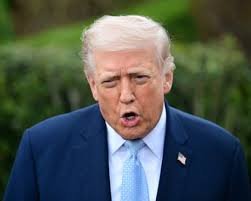
President Trump stated that the US and Iran had engaged in “very good and productive conversations” regarding a potential resolution to hostilities. He announced a five-day postponement of any military strikes, contingent on the success of ongoing discussions. This decision comes after a weekend ultimatum demanding Iran open the Strait of Hormuz, a critical waterway for global oil supplies.
Iran’s Response and the Threat to Global Energy Supplies
Tehran responded with a warning of “irreversible destruction” of essential infrastructure across the Middle East should the US proceed with military action. Iranian actions have already effectively disrupted the Strait of Hormuz, raising fears of a global energy crisis. Fatih Birol, head of the International Energy Agency, likened the potential impact to the combined force of the 1970s oil shocks and the fallout from Russia’s invasion of Ukraine. International Energy Agency
Economic Forecasts and Investor Sentiment
The global economy had braced for significantly higher oil prices, with Goldman Sachs forecasting Brent crude to average $85 a barrel this year, an increase from previous estimates of $77. Shares in oil giants BP and Shell fell over 3% following Trump’s announcement, reflecting the easing of immediate supply concerns. Gold prices also declined, falling 2.5% to $4,388 an ounce, as the prospect of rising interest rates tempered its appeal as a safe-haven asset.
Political Response and UK Emergency Meeting
In the UK, Keir Starmer convened an emergency Cobra meeting with ministers and the Bank of England governor, Andrew Bailey, to assess the economic impact of the crisis and discuss energy security, supply chain resilience, and the international response. The meeting also addressed growing pressure on Starmer to announce a support package to mitigate rising energy bills for UK citizens.
Bond Market Stability
The UK bond market experienced some stabilization, with the 10-year yield falling to 4.95% after reaching 5% last week – a level not seen since the 2008 financial crisis.
This article was amended on 23 March 2026. The high this month was $119 a barrel, not $199 a barrel as an earlier version said.