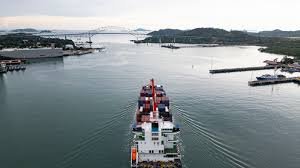
Panama Canal Ports: The Engine of Global Commerce
The Panama Canal, a marvel of engineering, isn’t just about the waterway itself. It’s inextricably linked to the bustling Panama Canal ports that serve as critical gateways for international trade. These ports, strategically positioned at both the Atlantic and Pacific ends of the canal, are essential for the efficient movement of goods across the globe. Understanding their function and impact is crucial in today’s interconnected world.
Why Panama Canal Ports Matter
For over a century, the Panama Canal has dramatically reduced shipping times and costs. The ports surrounding the canal amplify this benefit, providing comprehensive services for vessels transiting the waterway. Here’s a breakdown of their significance:
- Strategic Location: Situated at the narrowest point of the Americas, the Panama Canal offers the shortest route between the Atlantic and Pacific Oceans, saving vessels thousands of nautical miles.
- Reduced Shipping Costs: Shorter routes translate directly into lower fuel consumption, reduced crew costs, and faster delivery times, ultimately lowering the cost of goods for consumers.
- Increased Trade Volume: The efficiency of the canal and its associated ports facilitates a higher volume of trade, boosting economic growth for Panama and its trading partners.
- Logistics Hub: Panama has developed into a major logistics hub, offering services like container handling, warehousing, and distribution.
Key Ports Serving the Panama Canal
Several key ports contribute to the Panama Canal’s success. Here are some of the most important:
- Balboa (Pacific Side): Operated by PSA International, Balboa is one of the largest container terminals in Latin America. It handles a significant portion of the cargo transiting the canal. PSA Panama
- Cristobal (Atlantic Side): Managed by Evergreen Marine Corporation, Cristobal is another major container terminal, serving as a vital link for trade with North America and Europe. Evergreen Marine
- Manzanillo International Terminal (MIT): A joint venture between SSA Marine and Panama Ports Company, MIT is known for its efficiency and advanced technology. Manzanillo International Terminal
Challenges and Future Outlook
Despite their importance, Panama Canal ports face ongoing challenges:
- Competition: The Suez Canal and alternative routes pose competition, requiring continuous investment in infrastructure and efficiency.
- Capacity: Increasing vessel sizes (like Neo-Panamax ships) demand ongoing upgrades to port facilities and the canal itself.
- Climate Change: Droughts can impact water levels in the canal, potentially restricting vessel transit.
Looking ahead, the future of Panama Canal ports hinges on continued investment in infrastructure, technological innovation, and sustainable practices. Expansion projects, automation, and a focus on green logistics will be crucial for maintaining their position as a vital hub for global trade. The Panama Canal Authority is actively working on solutions to address water management and ensure the long-term viability of the waterway and its associated ports. Panama Canal Authority