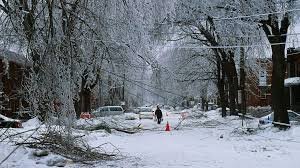
Winter Weather Advisory: How to Stay Safe and Prepared in Canada
Staying Safe During a Winter Weather Advisory: A Complete Guide for Canadians
Winter in Canada is legendary, but it can also be unpredictable and dangerous. When you see a winter weather advisory flashing on your screen or announced on the news, it is more than just a hint to wear a heavier coat—it is a call to action to ensure the safety of your household.
Whether you are a seasoned resident of the Prairies or new to the winters in Ontario or Quebec, understanding how to respond to weather alerts can make a significant difference in your well-being.
What Exactly is a Winter Weather Advisory?
A winter weather advisory is issued when hazardous weather conditions are expected, but are not typically severe enough to warrant a warning. However, these conditions—such as accumulating snow, freezing rain, or biting wind chills—can still make commuting dangerous and daily activities challenging.
For the most accurate and up-to-date alerts, Canadians should always refer to Environment and Climate Change Canada, the gold standard for meteorological data in the country.
Essential Preparations for Your Home
When a winter weather advisory is in effect, your home should be your sanctuary. Take these steps to avoid common winter emergencies:
- Check Your Heating: Ensure your furnace is functioning properly and that vents are clear of snow and ice.
- Seal the Leaks: Use weatherstripping on doors and windows to keep the heat in and the freezing drafts out.
- Prepare for Power Outages: Keep flashlights, extra batteries, and a portable power bank fully charged.
- Stock Up: Ensure you have at least a three-day supply of non-perishable food and clean drinking water.
Winter Driving Safety: Navigating the Storm
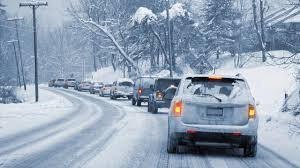
Driving during a winter weather advisory requires extra caution. Canadian roads can become treacherous in minutes due to “black ice” or sudden whiteouts.
Key Tips for the Road:
- Winter Tires: Ensure your vehicle is equipped with winter-rated tires to improve traction.
- Slow Down: Speed limits are for ideal conditions. Reduce your speed and increase the following distance between you and the car ahead.
- Clear the Snow: Always clear all snow and ice from your roof, headlights, and taillights before departing.
The Ultimate Winter Emergency Kit
Whether it is for your car or your home, having an emergency kit is non-negotiable. According to safety guidelines from the Canadian Red Cross, your kit should include:
- Warm Clothing: Thermal underwear, wool socks, and heavy blankets.
- First Aid: A fully stocked first aid kit including essential medications.
- Tools: A snow brush, ice scraper, and a small shovel for your vehicle.
- Nutrition: High-energy snacks like protein bars and dried fruits.
Conclusion
While a winter weather advisory might seem like a routine part of Canadian life, taking it seriously can prevent accidents and save lives. By preparing your home, securing your vehicle, and staying informed through official channels, you can embrace the beauty of winter without compromising your safety.
Stay warm, stay alert, and stay safe!
📰 You May Also Like