Super El Niño: Understanding the Global Climate Phenomenon and Its Impact on Canada
What Exactly is a Super El Niño?
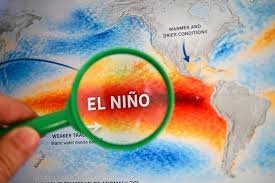
You may have heard the term Super El Niño popping up in weather forecasts and scientific reports. But what does it actually mean for us? At its core, El Niño is a natural climate pattern involving the warming of surface waters in the eastern tropical Pacific Ocean. However, when this warming reaches extreme levels, it is classified as a “Super” El Niño.
This phenomenon is part of the larger El Niño-Southern Oscillation (ENSO) cycle, which acts as a global thermostat, shifting atmospheric circulation and altering weather patterns thousands of miles away from the Pacific coast.
How a Super El Niño Affects the World
A Super El Niño isn’t just a local ocean event; it’s a global disruptor. When the ocean temperatures spike, they release massive amounts of heat into the atmosphere, leading to unpredictable and often severe weather events:
- n
- Extreme Precipitation: Regions like the southern United States and South America often experience heavier rainfall and increased flooding.
- Severe Droughts: Conversely, areas such as Australia, Indonesia, and parts of Southern Asia may face devastating droughts and increased wildfire risks.
- Marine Ecosystems: The warming waters disrupt nutrient-rich currents, devastating fish populations and impacting the global fishing industry.
For more detailed scientific tracking, you can monitor the National Oceanic and Atmospheric Administration (NOAA), which provides real-time updates on ocean temperature anomalies.
The Canadian Perspective: What to Expect in Canada
While the heat starts in the Pacific, the effects are felt across the Great White North. In Canada, a Super El Niño typically manifests in specific ways, depending on the province:
1. Warmer Winters
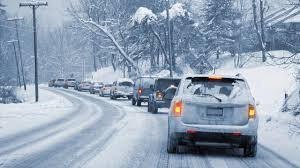
Generally, Super El Niño events are associated with milder winter temperatures across Western Canada and the Prairies. This can lead to reduced snowfall in some areas, which is a double-edged sword: while it makes commuting easier, it can threaten the ski industry and water reservoirs.
2. Increased Precipitation in the West
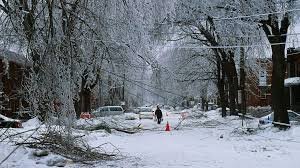
British Columbia often sees an increase in precipitation during these cycles, raising the risk of winter storms and landslides due to heavier rainfall.
3. Agricultural Shifts
Changes in temperature and moisture levels can shift planting seasons and impact crop yields, making it crucial for Canadian farmers to adapt their strategies.
To stay updated on local warnings, always check the Environment and Climate Change Canada portal.
Is This Linked to Climate Change?
One of the most pressing questions is whether global warming is making Super El Niño events more frequent or intense. While El Niño is a natural cycle, many scientists argue that a warming planet provides “more fuel” for these events, potentially leading to more extreme temperature peaks and more volatile weather swings.
According to NASA’s Climate portal, the interaction between natural cycles and human-induced climate change is creating a new baseline for what we consider “normal” weather.
How to Prepare for Extreme Weather
Whether you are facing an unusually warm winter or an increase in storm activity, preparation is key. Here are a few tips to stay safe:
- Review Your Insurance: Ensure your home insurance covers flood or wind damage if you live in a high-risk zone.
- Energy Efficiency: With fluctuating temperatures, ensure your heating and cooling systems are serviced to avoid breakdowns during peak demand.
- Stay Informed: Follow reliable meteorological sources to get early warnings about extreme weather events.
Conclusion: A Super El Niño is a powerful reminder of how interconnected our planet’s systems are. By understanding the science and staying prepared, we can better navigate the challenges this climate phenomenon brings to Canada and the rest of the world.
📰 You May Also Like