Valve’s Steam Machine and the Future of SteamOS
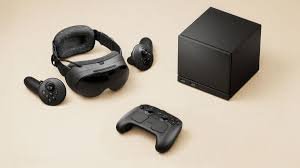
At this year’s Game Developers Conference (GDC) in San Francisco, Valve unveiled detailed requirements for developers aiming to get their games verified on its upcoming Steam hardware family, including the highly anticipated Steam Machine and the innovative Steam Frame VR headset. While the Steam Deck remains a focal point, these new guidelines signal Valve’s commitment to expanding its hardware ecosystem.
Steam Machine Verification: Performance Targets
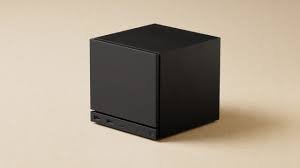
Valve’s approach to Steam Machine verification is surprisingly straightforward. If a game is verified for the Steam Deck, it’s largely on track for the Machine. However, the Steam Machine’s more powerful hardware necessitates a higher performance target: 30 frames per second (fps) at 1080p. Importantly, this requirement emphasizes native rendering, with no mention of upscaling or frame generation technologies. While 30fps might not be ideal for all gamers, it serves as a baseline for verification.
For games that are GPU-limited, Valve acknowledges that upscaling techniques could significantly improve performance. Input requirements will mirror those of the Steam Deck, but display resolution and legibility targets are relaxed due to the use of larger monitors or TVs with the Gabecube.
Steam Frame VR: Standalone Play and Streaming
The Steam Frame VR headset introduces a different verification landscape. Games streamed to the headset from a PC won’t require verification, as they’ll run natively on the host machine. However, ‘standalone play’ – utilizing the Frame’s integrated Arm chip – does have specific requirements.
VR games running in standalone mode need to achieve a smooth 90 fps. For 2D games, the target is 30 fps at 720p. These targets reflect the unique demands of VR and the capabilities of the Frame’s hardware.
Developer Focus: Key Takeaways from Valve
Beyond the specific performance metrics, Valve emphasized several crucial aspects for developers to consider when optimizing for SteamOS:
- Offline Mode Support: Valve strongly recommends, and arguably should require, that games support offline mode, including on first launch.
- Lower Spec Optimization: Optimizing for lower-end hardware expands your potential audience – a point Valve stressed as vitally important.
- Controller Support: With an increasing number of users opting for controllers, robust controller support is essential.
- Future-Proofing: Developers should design their games with future SteamOS devices in mind, ensuring compatibility and scalability.
Despite the challenges presented by the global memory crisis, Valve remains committed to its new hardware initiatives. These verification requirements underscore that commitment, and while the 30fps target for the Steam Machine might raise eyebrows, it’s a minimum benchmark. The focus on SteamOS optimization and broader hardware support signals a promising future for PC gaming on Valve’s platform.
Handheld Gaming PC Options
Looking for a handheld gaming PC? Here are some top contenders:
- Best overall: Lenovo Legion Go S SteamOS
- Best budget: Steam Deck
- Best Windows: Asus ROG Xbox Ally X
- Best big screen: Lenovo Legion Go
- Best compact: Ayaneo Flip DS
👉Check out our full handheld gaming PC guide👈
This article is based on information presented at GDC 2024 and reflects Valve’s current guidelines.