Steam Machine: A Smoother Path to Verification?
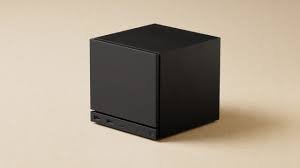
As excitement builds around Valve’s recently unveiled Steam Machine, developers are keen to understand the requirements for success on this new platform. While official pricing remains under wraps, Valve has offered insights into its verification process, promising a potentially less restrictive experience than its Steam Deck program.
Steam Deck Verification Translates to Steam Machine
According to Valve designer Lawrence Yang, a key takeaway for developers is this: if your title is Verified on Steam Deck, it will likely be Verified on Steam Machine. This streamlined approach suggests Valve aims to minimize redundant testing and accelerate the onboarding process for developers already supporting the Steam Deck.
“One easy rule of thumb is that if your title is Verified on Steam Deck, it will be Verified on Steam Machine,” Yang stated in a recent interview with Game Developer. This is welcome news for developers who have already invested time and resources in optimizing their games for the handheld device.
VR Verification and Continued Feedback
For developers targeting VR experiences on the Steam Machine, the verification process may differ. However, Valve assures a consistent commitment to thorough testing and constructive developer feedback, mirroring the approach taken with other verification programs.
The Value of the “Verified” Badge
The “Steam Deck Verified” badge has proven to be a significant asset for developers, extending beyond simple quality assurance. It’s become a powerful marketing tool, as evidenced by companies like Bethesda highlighting Steam Deck Verified status for classic titles like Quake. A “Verified” badge also increases visibility, potentially featuring your game in the “Great on Deck” section of the Steam Store – the default landing page for users accessing the marketplace on the device.
Addressing Wireless Interference: The Steam Controller Puck
Valve’s introduction of the Steam Controller Puck, a device for charging and pairing Steam Controllers, was a notable aspect of the Steam Machine reveal. While most manufacturers rely on Bluetooth or USB-C, Valve opted for a dedicated pairing system to address real-world connectivity challenges.
Engineer Steve Cardinali explained that testing revealed inconsistencies in home wireless environments and PC Bluetooth capabilities. “While Bluetooth is a great wireless connection method, we found in our testing that people’s home wireless environments and PC Bluetooth capabilities are highly variable (clogged networks, wireless interference, increased latency when using multiple BT devices, etc.),” Cardinali said. The Puck aims to mitigate these issues by providing a stable connection and convenient charging.
Cardinali further noted that the Puck’s design also addresses potential interference from USB ports, encouraging users to position it for optimal performance. “Adding the charging capability encourages people to leave the puck in a place where it’s likely to have minimal interference while providing a really easy charging experience.”
“It Just Works”: Valve’s Focus on Accessibility
Valve’s overarching philosophy of “it just works” – aiming for the plug-and-play reliability of traditional consoles – is evident in both the verification process and the controller pairing system. This commitment to accessibility could significantly broaden the appeal of PC gaming, making it a less daunting experience for newcomers.
Read more about this topic on Game Developer.
Related Content:
- Are these the 100 most influential games of all time?
- Dispatch devs share storytelling and co-dev secrets
Copyright © 2026 Informa. This website is owned and operated by Informa. Informa PLC’s registered office is 5 Howick Place, London SW1P 1WG.