
Valve Steam Machine: A Deep Dive into SteamOS and Gaming’s Future
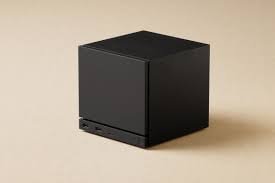
The Valve Steam Machine, a concept that sparked considerable excitement and debate within the gaming community, represented a bold attempt to bridge the gap between the accessibility of consoles and the power of PC gaming. While the initial vision of a standardized, Valve-backed hardware ecosystem didn’t fully materialize, the legacy of the Steam Machine – particularly SteamOS – continues to shape the future of gaming. This article delves into the history, features, and lasting impact of the Valve Steam Machine.
The Genesis of the Steam Machine
In 2013, Valve announced the Steam Machine, initially envisioned as a series of pre-built gaming PCs designed to run SteamOS, a Linux-based operating system optimized for gaming. The goal was to create a “living room PC” that was easy to use, affordable, and seamlessly integrated with the Steam platform. Valve partnered with several manufacturers, including Alienware, Falcon Northwest, and iBuyPower, to produce different Steam Machine configurations. The idea was to offer consumers a variety of options, catering to different budgets and performance needs.
SteamOS: The Heart of the Machine
SteamOS was arguably the most significant outcome of the Steam Machine project. Built on Debian Linux, it was designed to provide a console-like experience on PC hardware. Key features of SteamOS included:
- Steam Big Picture Mode: A user interface optimized for use with controllers and TVs.
- Seamless Updates: Automatic updates for the operating system and games.
- Family Sharing: Allowing users to share their game libraries with family members.
- In-Home Streaming: Streaming games from one PC to another within the home network.
While SteamOS initially faced challenges with game compatibility (due to its reliance on Proton, a compatibility layer for running Windows games on Linux), significant progress has been made in recent years. Proton, now integrated into Steam, has dramatically improved the number of Windows games playable on Linux, making SteamOS a viable option for many gamers. You can find more information about Proton and its capabilities on the ProtonDB website.
Why the Steam Machine Didn’t Take Off (As Planned)
Despite the initial hype, the Steam Machine didn’t achieve widespread adoption. Several factors contributed to this:
- Price: Many of the Steam Machine configurations were priced higher than comparable Windows-based gaming PCs.
- Hardware Fragmentation: The variety of Steam Machine models, while offering choice, also created fragmentation and compatibility issues.
- SteamOS Maturity: Early versions of SteamOS lacked the game compatibility and polish of Windows.
- Competition: The console market remained strong, and Windows-based gaming PCs continued to evolve.
The Steam Deck: The Steam Machine’s Spiritual Successor
While the original Steam Machine concept didn’t fully succeed, Valve learned valuable lessons from the experience. These lessons culminated in the development of the Steam Deck, a handheld gaming PC that runs SteamOS. The Steam Deck has been a resounding success, proving that there is a market for a portable, Linux-based gaming device. It effectively embodies the original spirit of the Steam Machine – a streamlined, Steam-focused gaming experience – in a more focused and accessible package.
The Legacy of the Steam Machine
The Valve Steam Machine may not have revolutionized the gaming industry as initially hoped, but it played a crucial role in pushing the boundaries of PC gaming. SteamOS continues to evolve, and the success of the Steam Deck demonstrates that Valve’s vision of a more open and accessible gaming ecosystem is still very much alive. The Steam Machine paved the way for a future where Linux gaming is a mainstream option, and where gamers have more choice and control over their gaming experience.



