
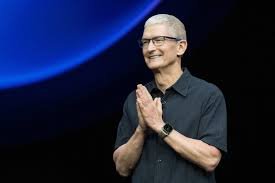
Tim Cook: The Architect of Apple’s Continued Success
Tim Cook. The name is synonymous with Apple’s continued dominance in the technology world. But his story isn’t simply about taking the reins from a visionary like Steve Jobs; it’s about building upon that foundation, navigating unprecedented challenges, and steering the company towards new heights. This article delves into the life, leadership, and lasting impact of Tim Cook.
From Operations Master to CEO
Cook joined Apple in March 1998 as Senior Vice President of Worldwide Operations. Initially, many questioned his ability to fill the enormous shoes of Steve Jobs. However, Cook’s operational brilliance quickly became apparent. He revolutionized Apple’s supply chain, transforming it into a highly efficient, globally-integrated system. This mastery of logistics and manufacturing was crucial in Apple’s ability to deliver innovative products consistently and on time. He wasn’t a product designer like Jobs, but he was the engine that *enabled* the product designs to reach millions.
Taking the Helm: A New Era for Apple
In August 2011, Tim Cook officially became Apple’s CEO. The transition was met with both anticipation and skepticism. Could anyone truly replicate the magic of Steve Jobs? Cook didn’t attempt to *be* Steve Jobs. Instead, he embraced his own strengths – a focus on operational excellence, a collaborative leadership style, and a commitment to Apple’s core values.
Key Decisions and Innovations Under Cook’s Leadership
- Expansion into New Markets: Cook oversaw Apple’s aggressive expansion into emerging markets like India and Southeast Asia, recognizing their immense growth potential.
- The Apple Watch: A bold move into the wearable technology space, the Apple Watch has become a leading product in its category.
- Services Growth: Cook prioritized the growth of Apple’s services business (Apple Music, iCloud, Apple TV+), diversifying revenue streams and creating a more sustainable business model. This has become a significant driver of Apple’s profitability.
- Privacy Advocacy: Under Cook, Apple has positioned itself as a champion of user privacy, implementing features like App Tracking Transparency and advocating for stronger data protection regulations.
- M1 & M2 Chips: The transition to Apple Silicon, with the M1 and M2 chips, was a pivotal moment, showcasing Apple’s commitment to innovation and control over its hardware.
Leadership Style: Collaboration and Humility
Unlike the often-described demanding personality of Steve Jobs, Tim Cook is known for his collaborative and humble leadership style. He actively seeks input from his team, fosters a culture of open communication, and empowers employees to take ownership. He’s also known for his early morning emails and his willingness to engage directly with customers and employees.
Challenges and Future Outlook
Cook has faced numerous challenges during his tenure, including supply chain disruptions (particularly during the COVID-19 pandemic), increased competition from Android manufacturers, and regulatory scrutiny. Looking ahead, Apple under Cook faces the ongoing need to innovate, navigate geopolitical complexities, and maintain its position as a leader in the ever-evolving technology landscape. The company’s focus on augmented reality (AR) and virtual reality (VR) suggests a potential new frontier for Apple under Cook’s guidance. You can learn more about Apple’s future plans on their official website.
A Lasting Legacy
Tim Cook’s legacy at Apple is undeniable. He has not only sustained the company’s success but has also expanded its reach, diversified its offerings, and strengthened its commitment to values like privacy and sustainability. He’s proven that leadership isn’t about replicating a predecessor, but about forging your own path and building a future that honors the past while embracing the possibilities of tomorrow.



