Nintendo Switch ROM Manufacturer Leaves: Is the Era of Physical Cartridges Ending?
Nintendo Switch ROM Manufacturer Leaves: Is the Era of Physical Cartridges Ending?
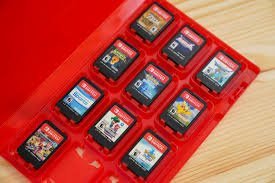
The landscape of physical gaming is facing a potential seismic shift. Recent reports indicate that Macronix, the primary manufacturer of the flash memory used in Nintendo Switch game cartridges, is effectively quitting the Switch business. This news, brought to light by David Gibson, a gaming analyst at MST Financial, suggests that the days of swapping physical ROM cards might be numbered.
Why is Macronix Jumping Ship?
The decision comes down to a simple matter of profitability. For Macronix, the ROM storage business is no longer a significant driver of revenue. According to Gibson, ROM sales accounted for less than 5% of Macronix’s total sales last quarter—a staggering drop from 23% just a year ago.
The company is shifting its focus toward more lucrative storage solutions, such as eMMC and NAND storage, which are rapidly eclipsing the small-scale ROM solutions used for Nintendo’s handheld cartridges. As a result, Macronix is phasing out these products, with Q3 marking the final period they will report ROM sales separately.
The Impact on the Nintendo Switch 2
While Macronix isn’t the only supplier for Nintendo, they were the dominant one. This exit creates a precarious situation for the upcoming Nintendo Switch 2. If Nintendo cannot secure a comparable replacement, we could see a significant decline in the availability of physical releases.
Industry experts believe this will accelerate Nintendo’s push toward a digital-first ecosystem. Mat Piscatella, chief gaming analyst at Circana, has previously suggested that we may have less than a decade of physical software remaining in the industry. With digital sales already making up nearly 60% of Nintendo’s platform revenue, the transition is already well underway.
The Rise of “Game-Key” Cards and Collector’s Items
For third-party publishers, the situation is even more complex. Many have already pivoted to “game-key” cards. Unlike traditional cartridges, these cards contain almost no actual game data; they act as a form of physical DRM (Digital Rights Management) that requires the user to download the game from the servers.
This trend is turning physical games into luxury collector’s items. We are already seeing:
- n
- Price Premiums: Some physical editions are now sold at a $10 premium over their digital counterparts.
- Rapid Sell-outs: Full-on-card releases, like The Elder Scrolls V: Oblivion Remastered, are selling out almost instantly.
- Increased Production Costs: As games require more memory (up to 64GB), the cost to produce physical cards rises, making them less attractive to publishers.
What Does This Mean for Gamers?
For those who love to trade, sell, or archive their games physically, this is a warning sign. The reliance on cloud servers means that the value of a “physical” game is increasingly tied to whether Nintendo keeps its servers online.
As the supply chain for ROM chips dismantles, the physical cartridge is evolving from a standard medium into a rare commodity. Whether Nintendo will find a new partner to keep the physical dream alive or fully embrace the digital void remains to be seen, but the writing is on the wall.
Stay tuned for more updates as we await Nintendo’s next earnings call to see if there is any official word on their hardware supply chain.
📰 You May Also Like