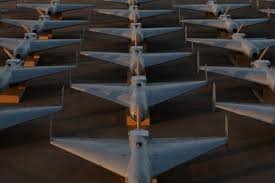
Drones: The Ultimate Guide to Aerial Technology
Drones, also known as Unmanned Aerial Vehicles (UAVs), have rapidly evolved from military applications to becoming accessible tools for hobbyists, professionals, and industries alike. This comprehensive guide will delve into the fascinating world of drones, covering their technology, diverse applications, legal considerations, and what the future holds for this exciting technology.
What is a Drone?
At its core, a drone is an aircraft without a human pilot onboard. Controlled remotely, they rely on sophisticated technologies like GPS, sensors, and cameras to navigate and perform tasks. Modern drones come in various shapes and sizes, ranging from palm-sized micro-drones to larger models capable of carrying significant payloads.
The Technology Behind Drones
- Flight Controllers: The brain of the drone, managing stability and responding to pilot commands.
- GPS: Enables precise positioning and autonomous flight.
- Sensors: Detect obstacles, maintain altitude, and provide data for various applications.
- Cameras: Capture high-resolution photos and videos, crucial for many drone applications.
- Batteries: Power the drone, with advancements continually increasing flight times.
Applications of Drone Technology
The versatility of drones has led to their adoption across numerous sectors:
- Photography & Videography: Capturing stunning aerial footage for filmmaking, real estate, and personal use.
- Agriculture: Monitoring crop health, optimizing irrigation, and applying pesticides efficiently. Precision Agriculture is heavily reliant on drone technology.
- Inspection: Inspecting infrastructure like bridges, power lines, and wind turbines safely and cost-effectively.
- Delivery: Companies like Amazon are exploring drone delivery services for faster and more efficient logistics. Amazon Prime Air is a prime example.
- Search & Rescue: Locating missing persons and assessing disaster areas.
- Security & Surveillance: Monitoring perimeters and providing real-time situational awareness.
Drone Regulations & Safety
Operating a drone legally requires adherence to regulations set by aviation authorities like the Federal Aviation Administration (FAA) in the US. These regulations typically cover:
- Registration: Registering your drone with the relevant authority.
- Pilot Certification: Obtaining a remote pilot certificate for commercial operations.
- Flight Restrictions: Avoiding restricted airspace and following altitude limits.
- Privacy Concerns: Respecting privacy laws and avoiding unauthorized surveillance.
Choosing the Right Drone
Selecting the right drone depends on your needs and budget. Consider factors like:
- Camera Quality: Resolution, sensor size, and video capabilities.
- Flight Time: How long the drone can stay airborne on a single charge.
- Range: The maximum distance the drone can fly from the controller.
- Features: Obstacle avoidance, intelligent flight modes, and GPS capabilities.
- Budget: Drones range in price from a few hundred dollars to several thousand.
The Future of Drone Technology
The future of drones is incredibly promising. We can expect to see advancements in areas like:
- Artificial Intelligence: More autonomous flight capabilities and intelligent data analysis.
- Longer Flight Times: Improved battery technology and alternative power sources.
- Enhanced Safety Features: More robust obstacle avoidance and fail-safe mechanisms.
- Integration with 5G: Faster data transmission and improved control.
Drones are poised to revolutionize numerous industries and become an integral part of our daily lives. Staying informed about the latest developments in drone technology is crucial for anyone interested in this rapidly evolving field.