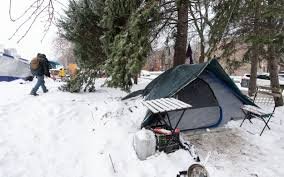
Homelessness is a deeply concerning social issue affecting communities across Canada. It’s a complex problem with no single cause, and its impact extends far beyond those directly experiencing it. This article delves into the multifaceted nature of homelessness in Canada, exploring its root causes, the devastating consequences for individuals and society, and the promising solutions being implemented to address this critical challenge.
Understanding the Roots of Homelessness
The causes of homelessness are varied and often interconnected. While often associated with mental health and addiction, these are frequently *symptoms* of deeper systemic issues. Key contributing factors include:
- Lack of Affordable Housing: A significant shortage of affordable housing options, particularly in major urban centres, is a primary driver of homelessness. Rising rental costs and stagnant wages make it increasingly difficult for low-income individuals and families to secure stable housing.
- Poverty and Income Inequality: Persistent poverty and a widening gap between the rich and poor leave many vulnerable to housing instability.
- Mental Health and Addiction: While not the sole cause, untreated mental health issues and substance use disorders can contribute to homelessness, and homelessness can exacerbate these conditions.
- Domestic Violence and Trauma: Individuals fleeing abusive situations often find themselves without safe housing options.
- Systemic Discrimination: Indigenous peoples, racialized communities, and LGBTQ2S+ individuals are disproportionately represented among the homeless population due to historical and ongoing systemic discrimination. The Truth and Reconciliation Commission of Canada highlights the direct link between colonial policies and the overrepresentation of Indigenous people experiencing homelessness. Learn more about the Calls to Action.
- Lack of Support Services: Insufficient access to essential support services, such as healthcare, employment training, and social assistance, can hinder individuals’ ability to maintain housing.
The Impact of Homelessness
The consequences of homelessness are profound and far-reaching. For individuals, homelessness leads to:
- Health Problems: Exposure to the elements, poor nutrition, and lack of access to healthcare contribute to a higher incidence of physical and mental health problems.
- Increased Risk of Victimization: People experiencing homelessness are more vulnerable to violence, theft, and exploitation.
- Social Isolation: Homelessness can lead to social exclusion and a loss of connection with family and community.
- Difficulty Securing Employment: Lack of a stable address and the challenges of maintaining personal hygiene can make it difficult to find and retain employment.
Beyond the individual level, homelessness places a strain on public resources, including healthcare, social services, and the justice system. It also impacts community safety and well-being.
Solutions and Initiatives
Addressing homelessness requires a comprehensive and collaborative approach. Several promising initiatives are underway across Canada, including:
- Housing First: This evidence-based approach prioritizes providing immediate housing to individuals experiencing homelessness, followed by supportive services to address underlying issues. Homeless Hub – Housing First provides detailed information.
- Increased Investment in Affordable Housing: Government investment in the construction and preservation of affordable housing units is crucial.
- Enhanced Mental Health and Addiction Services: Expanding access to mental health and addiction treatment services is essential.
- Prevention Programs: Early intervention programs aimed at preventing homelessness, such as rental assistance and eviction prevention services, can be highly effective.
- Community Collaboration: Effective solutions require collaboration between government, non-profit organizations, and community stakeholders.
The fight against homelessness is ongoing, but with continued commitment and innovative solutions, Canada can work towards a future where everyone has a safe and affordable place to call home.