Titanic: A Surprising Ecosystem Thriving on the Wreck
More than a century after its tragic sinking, the RMS Titanic isn’t just a haunting reminder of history – it’s a thriving ecosystem teeming with life. Recent research reveals a fascinating community of creatures calling the wreck home, offering valuable insights into deep-sea biodiversity and the impact of artificial structures on the ocean floor.
A Deep-Sea Discovery
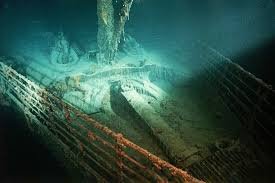
In 1912, the ‘unsinkable’ Titanic struck an iceberg in the North Atlantic, plunging 3,800 meters to the seabed. For decades, the wreck remained largely unexplored. However, since its rediscovery in 1985, over 20 expeditions have meticulously mapped and analyzed the decaying vessel. These explorations have unveiled a surprising array of marine life adapted to the extreme conditions of the deep sea.
A recent study, published in Deep Sea Research Part I: Oceanographic Research Papers, provides a detailed look at the animals inhabiting the Titanic and a nearby seamount ridge. Researchers utilized video footage from a 2022 expedition to document the biodiversity of both sites.
Who Lives on the Titanic?
The footage revealed a captivating cast of characters. Ghost-white squat lobsters, resembling flattened hermit crabs, scuttled across the wreckage. Skulking brittle stars and basket stars clung to the metal, while twisted bamboo corals adorned the bow railings and cabin windows. Large-eyed rattail fish, common in muddy habitats, navigated the darkness, relying on their sensitive senses to find prey.
Here’s a glimpse of the inhabitants:
- Squat Lobsters: More closely related to hermit crabs than true lobsters.
- Brittle Stars & Basket Stars: Delicate invertebrates with flexible arms.
- Bamboo Corals: Slow-growing colonies providing habitat for other species.
- Rattail Fish: Deep-sea fish with large eyes adapted to low-light conditions.
- Sea Anemones & Sponges: Filter-feeding invertebrates attached to the wreck.
Titanic vs. Natural Reef: A Comparative Look
To understand the Titanic’s role as an artificial reef, researchers also surveyed a nearby seamount ridge – a natural underwater mountain. They found differences in species distribution. For example, a specific type of urchin (Gracilechinus sp.) was abundant on the ridge but absent from the wreck, while squat lobsters favored the debris field around the Titanic.
Changes Over Time
Comparing video footage from 1986 to 2022 revealed a notable increase in cold-water coral colonies on the Titanic. Some colonies have more than doubled in size over the past 24 years, particularly around the cabin windows. This suggests the wreck is providing a stable surface for coral growth and creating a complex habitat.
Why This Matters
The Titanic serves as a unique laboratory for studying the long-term effects of artificial structures on deep-sea ecosystems. As human activities like fisheries, deep-sea mining, and shipping expand, understanding these impacts is crucial for effective ocean management. The study highlights the need for further research into larval dispersal, ecological connectivity, and population resilience in the deep sea.
As the authors conclude, the Titanic “may be studied as a proxy for understanding the physical degradation and succession of biofouling communities of numerous other large wrecks at abyssal depths.” Protecting these underwater heritage sites and natural habitats requires a deeper understanding of the delicate ecosystems they support.
Learn more about the study: Megafauna of the RMS Titanic shipwreck and a nearby seamount ridge in the deep sea of the western North Atlantic
Image Credit: J. Cleland et al./Published by Elsevier Ltd/Creative Commons CC-BY | Top image: Getty