Crotch Gate: The Physics Behind Ski Jumping’s Latest Scandal
February 12, 2026 – A brewing scandal at the 2026 Winter Olympics, dubbed “Crotch Gate,” has brought the fascinating physics of ski jumping into the spotlight. Allegations suggest some athletes may be artificially enhancing their crotch area – through methods ranging from chemical engorgement to strategic padding – to gain a competitive edge.
The core of the issue lies in the precise tailoring of ski jumping suits. Regulations set by the International Ski and Snowboard Federation (FIS) dictate strict measurements, including “crotch height,” taken using laser technology. A slightly larger measurement could allow for a roomier suit, potentially providing a crucial boost in lift and distance.
How Does a Little Extra Fabric Matter?
In a sport often decided by centimeters, even a small increase in suit surface area can be significant. Lasse Ottesen, race director for the Nordic Combined event at FIS and a former Olympic ski jumper, notes that research from the 2000s indicated an extra centimeter of material at the crotch could increase jump length by up to four meters. A more recent study, accepted for publication by Frontiers in Sports and Active Living, found that adding one centimeter to the overall suit circumference could lengthen jumps by 3.2 meters. This highlights the delicate balance between athlete ability and equipment optimization.
However, suit size isn’t the only factor at play. The physics of ski jumping is a complex interplay of speed, aerodynamics, and gravity. As athletes descend the icy ramp, they aim to minimize air resistance and friction to maximize velocity, reaching speeds of around 60 miles per hour.
The Science of Flight
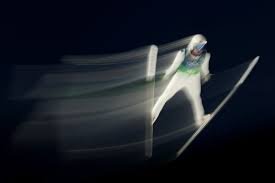
Once airborne, the jumper’s trajectory isn’t simply parabolic. Philip Langill, an associate professor of physics at the University of Calgary, explains that the ideal launch angle is 45 degrees, but real-world conditions are far more nuanced. Ski jumpers harness the power of the air around them, contorting their bodies to maximize lift and reduce drag. This is where the signature “V” style jump comes into play – a revolutionary technique that dramatically increased jump distances starting in the 1990s.
Initially, jumpers kept their skis parallel in the air. The shift to the “V” position increased surface area and lift, allowing for longer jumps, though also initially increasing crash rates. The technique demonstrates a clear understanding of aerodynamic principles.
Beyond the Physics: Regulations and Enforcement
The FIS is actively working to refine ski jumping regulations and ensure accurate measurements. Incidents like the temporary ban of Norwegian ski jumping officials in 2023, after they were found altering suits with extra crotch stitching, demonstrate the lengths some teams will go to gain an advantage. The FIS is striving for fair play and consistent enforcement of the rules.
While the science behind ski jumping is fascinating, the focus ultimately returns to the athletes and their dedication. Ottesen notes that during competition, muscle memory takes over, and conscious thought about the physics fades into the background. It’s a testament to years of training and the incredible athleticism required to excel in this demanding sport.
Learn more about the science of winter sports: Scientific American