University of Arizona Study Links Pesticide Exposure to Newborn Health Risks
Recent research from the University of Arizona has shed light on the potential adverse effects of pesticide exposure during pregnancy on newborn health. The study, published in the Journal of Exposure Science & Environmental Epidemiology, investigated the association between exposure to common pesticides and Apgar scores – a key indicator of a newborn’s physical condition at birth.
The Az-PEARS Study: A Deep Dive into Pesticide Exposure
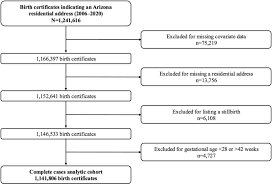
Researchers utilized data from the Arizona Pregnant Women’s Environmental and Reproductive Outcomes Study (Az-PEARS), linking pesticide use registry data with birth certificates from 2006 to 2020. This allowed them to analyze the relationship between preconception and prenatal exposure to carbamate, organophosphate, and pyrethroid pesticide classes, as well as 25 individual active ingredients, and newborn Apgar scores.
Key Findings: Which Pesticides Pose the Greatest Risk?
The study revealed that exposure to several pesticide active ingredients during preconception and/or pregnancy was associated with an increased risk of low Apgar scores. Specifically, the following were identified as having significant associations:
- Carbamates: Carbaryl (2.07 [1.45, 2.96]), Formetanate hydrochloride (3.50 [1.55, 7.89])
- Organophosphates: Diazinon (1.67 [1.25, 2.22]), Tribufos (1.39 [1.02, 1.90])
- Pyrethroids: Cypermethrin (1.49 [1.03, 2.15])
Additional pesticides, including ethephon, phorate, beta-cyfluthrin, methomyl, esfenvalerate, and fenpropathrin, also showed positive associations with low Apgar scores during specific trimesters.
The Importance of the Preconception Period
Interestingly, the research highlighted the preconception period as a potentially sensitive window of exposure. This suggests that pesticide exposure even *before* conception could impact newborn health. This finding underscores the importance of considering environmental exposures when planning a pregnancy.
Why This Research Matters
These findings emphasize the need for interventions aimed at mitigating maternal agricultural pesticide exposures. Protecting expectant mothers from these chemicals could lead to improved newborn health outcomes. The University of Arizona’s research adds to a growing body of evidence linking pesticide exposure to adverse health effects, including potential neurodevelopmental issues. Further research is needed to fully understand the mechanisms by which these pesticides impact fetal development.
Learn more about pesticide effects:
- Systematic review of comparative studies assessing the toxicity of pesticide active ingredients and their product formulations – Environmental Research
- Effect of endocrine disruptor pesticides: a review – International Journal of Environmental Research and Public Health
- Toxic effects of pesticides on cellular and humoral immunity: an overview – Immunopharmacology and Immunotoxicology
This research was supported by the National Institutes of Health (grant number R00ES028743).