The 2026 Dirty Dozen: Which Produce to Buy Organic?
New research from the 2026 Shopper’s Guide to Pesticides in Produce reveals that leafy greens like spinach and popular fruits such as strawberries and grapes consistently show the highest levels of potentially harmful pesticide residues. Understanding which produce items carry the greatest risk is crucial for making informed choices at the grocery store.
This Year’s “Dirty Dozen”
The Environmental Working Group (EWG) released its annual report on Tuesday, identifying the fruits and vegetables most laden with pesticides. This year’s “Dirty Dozen” includes:
- Spinach
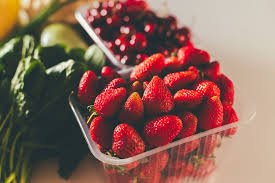
- Strawberries
- Grapes
- Nectarines
- Peaches
- Cherries
- Apples
- Blackberries
- Pears
- Potatoes
- Blueberries
Spinach tops the list, exhibiting more pesticide residue by weight than any other produce item. On average, spinach samples contained four or more different types of pesticides. Potatoes, while on the list, averaged only two pesticides per sample. The concern with multiple pesticide exposure lies in the potential for cumulative effects and increased health risks.
How the Report is Compiled
The EWG analyzed over 54,344 samples of 47 fruits and vegetables from the most recent pesticide residue tests conducted by the US Department of Agriculture (USDA). Before testing, produce is peeled or scrubbed and thoroughly washed to simulate typical consumer practices. Despite these efforts, 264 pesticides were detected, with 203 found on the “Dirty Dozen” list.
The Potential Health Impacts of Pesticide Exposure
Past studies have linked pesticide exposure to a range of health concerns, including premature births, congenital malformations, spontaneous abortions, and genetic damage. Exposure has also been associated with lower sperm concentrations, heart disease, cancer, and other disorders. Children are particularly vulnerable, even in utero, with potential links to birth defects, low birth weight, fetal death, attention and learning problems, and cancer, according to the American Academy of Pediatrics. American Academy of Pediatrics
The Rise of “Forever Chemicals” (PFAS)
For the first time, the report revealed that over 60% of Dirty Dozen samples contained “forever chemicals” – perfluoroalkyl and polyfluoroalkyl substances (PFAS). These chemicals, used as pesticides, are concerning because they persist in the environment for decades, even centuries. PFAS have been linked to cancer, obesity, thyroid disease, high cholesterol, decreased fertility, liver damage, hormone disruption, and immune system damage, even at extremely low concentrations.
Bernadette Del Chiaro, EWG’s senior vice president for California operations, emphasized the inherent risk: “We can’t just harm the mold spores or insects on a peach and not potentially harm the little kid that eats the peach.”
Industry Response
The Alliance for Food and Farming (AFF) and CropLife America, representing organic and conventional produce farmers and the pesticide industry respectively, have criticized the EWG’s report. They maintain that farmers adhere to strict regulations and safety standards when using pesticides, and that the presence of residue doesn’t automatically equate to danger. CropLife America argues that the EWG’s report promotes distrust in the food system. CropLife America
The “Clean Fifteen”
The EWG also publishes a “Clean Fifteen” list, highlighting produce with the least amount of pesticide residue. This year’s list includes:
- Pineapple
- Sweet Corn
- Avocados
- Papaya
- Onions
- Frozen Sweet Peas
- Asparagus
- Cabbage
- Cauliflower
- Watermelon
- Mangoes
- Bananas
- Carrots
- Mushrooms
- Kiwi
Nearly 60% of Clean Fifteen samples showed no detectable pesticide residues.
Protecting Your Health: What You Can Do
Experts emphasize that eliminating fresh produce from your diet isn’t the answer. A diet rich in fruits and vegetables is essential for good health. Prioritizing the “Clean Fifteen” and opting for organic versions of the “Dirty Dozen” can significantly reduce your pesticide exposure. Consider frozen organic options as well.
Washing Your Produce
Regardless of whether produce is organic or conventional, thorough washing is crucial. The FDA recommends scrubbing firm produce with a vegetable brush under running water. Gently rub other produce while rinsing. Avoid using bleach, soap, or commercial produce washes. Remove outer leaves of leafy greens and rinse each leaf carefully. Don’t forget to wash your colander after use!
Sign up for CNN’s Life, But Better newsletter for more wellness tips.