When is Eid? A Guide to Eid al-Fitr and Eid al-Adha Dates
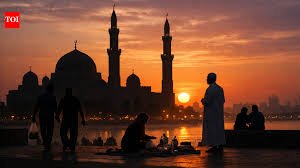
As the last ten nights of Ramadan approach, many Muslims are deeply engaged in worship. If you’re wondering when to request time off work for Eid al-Fitr, the joyous Islamic holiday marking the end of Ramadan (which began on February 18th this year), you’re not alone. Understanding the lunar calendar and moon sightings is key to knowing when to expect this significant celebration. With nearly 2 billion Muslims worldwide, including approximately 1% of Ohioans, anticipating the arrival of Eid, let’s break down the dates and traditions surrounding this important event.
When Does Ramadan End? When is Eid al-Fitr?
Eid al-Fitr’s date is determined by the sighting of the waxing crescent moon, signifying the start of Shawwal, the Islamic month following Ramadan. According to Islamic Relief, Eid al-Fitr 2024 is expected to begin on the evening of April 9th or April 10th. The exact date can vary based on geographical location and moon sighting confirmations.
Shawwal begins immediately with the sighting of the crescent moon, and the first day of Shawwal brings Eid al-Fitr, officially ending the holy month of Ramadan. It’s important to remember that Eid al-Fitr is celebrated on the first day of Shawwal, the tenth month in the Islamic calendar.
A Lunar Calendar and Shifting Dates
Eid al-Fitr, along with Ramadan and the other Eid holiday, Eid al-Adha, follows the Islamic Hijri calendar, a lunar cycle. This means the dates shift approximately 11 days earlier each year compared to the Gregorian calendar. The sighting of the crescent moon remains the definitive factor in determining the start of these holidays.
What Does ‘Eid’ Mean?
The word “Eid” in Arabic translates to “festival” or “feast,” while “Fitr” means “breaking the fast.” Therefore, Eid al-Fitr literally means “festival of breaking the fast.” It’s a time of immense joy, gratitude, and community.
Eid al-Fitr Traditions
- Early Morning Preparations: Muslims wake up early to prepare special foods and get ready for Eid prayers.
- Eid Prayers: Attending Eid prayers at local mosques (masjids) is a central tradition.
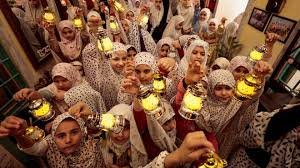
- Feasting and Celebration: After a month of fasting, enjoying food during daylight hours is a joyous occasion.
- Greetings: Friends and family exchange warm greetings of “Eid Mubarak,” meaning “blessed festival.”
- Gift-Giving: Children often receive gifts and money, known as “Eidi.”
- Zakat al-Fitr: Muslims with the means are obligated to give a charitable donation (Zakat al-Fitr) before Eid prayers, ensuring those in need can also celebrate.
The Importance of Charity
Zakat al-Fitr is a vital part of Eid al-Fitr. This donation is intended to cover the cost of a meal for those less fortunate, allowing them to participate in the festivities. You can donate to reputable nonprofit organizations or through your local mosque.
Looking Ahead: Eid al-Adha 2026
The second Eid, Eid al-Adha, commemorates the willingness of Ibrahim (Abraham) to sacrifice his son as an act of obedience to God. It falls on the 10th day of Dhu al-Hijjah, the twelfth month of the Islamic calendar. Eid al-Adha is predicted to fall on the evening of May 26, 2026, and end on the night of May 27, 2026.
Understanding the dates and traditions of Eid al-Fitr and Eid al-Adha allows for greater appreciation of this significant celebration within the Islamic faith. Wishing you and your loved ones a blessed Eid!