
White House Updates: Navigating the Iran Conflict
The United States is actively pursuing diplomatic avenues to de-escalate the ongoing conflict with Iran, including efforts to arrange a meeting in Pakistan to discuss potential off-ramps, according to two administration officials. Despite recent challenges, the White House maintains that talks with Iran are progressing, even after Tehran’s initial reluctance to accept a 15-point peace plan.
Diplomatic Efforts and Iranian Response
While acknowledging the exchange of messages through mediators, Iranian Foreign Minister Abbas Araghchi suggests Washington’s shift in tone reflects a recognition of past failures, particularly the previous demand for “unconditional surrender.” This highlights the complex dynamics at play in the negotiation process.
Military Preparations and Regional Tensions
Intelligence reports indicate Iran is bolstering its defenses on Kharg Island, a critical hub for oil exports, in anticipation of potential US military action. This includes laying traps and deploying military personnel and air defenses. The situation is further complicated by increased vessel traffic through the Strait of Hormuz, with Iran announcing “non-hostile” ships may transit with prior coordination.
A Tanker Captain’s Perspective
Captain Samanth Baktavatsalam, a seasoned tanker master with 27 years of experience, recounts the challenges faced while stranded in the Gulf of Oman for three weeks. His vessel experienced near-complete GPS jamming, forcing reliance on traditional navigation. Maintaining crew morale during this tense period required open communication and remote counseling. He emphasized the precarious situation faced by the estimated 20,000 seafarers caught in the crossfire.
“One particular party may say it will allow safe passage, but conditions of safe passage depend on various factors, and parties involved are too many,” Captain Baktavatsalam stated.
Growing Concerns and Congressional Frustration
Members of Congress have expressed frustration with the administration’s briefings on the war, particularly regarding its objectives and timeline. This discontent comes as lawmakers prepare for a supplemental request to fund the ongoing military effort.
Economic Impacts and Global Repercussions
The conflict is already impacting global markets. The US Postal Service has implemented an 8% fuel surcharge on packages, and fuel prices have surged worldwide. Furthermore, approximately 30% of the world’s fertilizer raw materials transit through the Strait of Hormuz, leading to concerns about rising food costs. The situation is also driving increased demand for electric vehicles in Asia, potentially benefiting Chinese EV manufacturers. CNN reports on the surge in EV demand.
Iran’s Stance and Potential Escalation
Iranian officials have warned that Tehran could open additional strategic fronts, including around the Bab el-Mandeb Strait, if faced with military action against its islands or naval pressure. This highlights the potential for wider regional escalation. Iran also alleges that “enemies” are preparing to seize one of its islands, threatening retaliatory strikes against regional infrastructure.
White House Response and Future Outlook
The White House maintains that talks with Iran are ongoing and productive, despite Tehran’s reservations about the US peace plan. Press Secretary Karoline Leavitt reiterated the estimated timeline of four to six weeks for the conflict, while also confirming President Trump’s planned trip to China in mid-May. The administration continues to assess the situation and explore all available options.
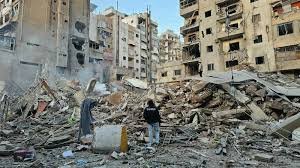
As the conflict enters its fourth week, the death toll continues to rise across the region, with reports of fatalities in Iran, Lebanon, Iraq, and other countries. The humanitarian impact is significant, with millions displaced and infrastructure damaged.
Sources: CNN, Reuters, Associated Press



