What Are the Details of Iran’s New Nuclear Proposal to the United States? The Qatar Mediation Explained
What Are the Details of Iran’s New Nuclear Proposal to the United States?
As tensions escalate in the Middle East, a glimmer of diplomatic hope has emerged. Qatar, acting as the lead mediator, is currently pushing a strategic proposal to bridge the gap between Tehran and Washington. With the threat of military action looming, the world is closely watching to see if this new framework can prevent a full-scale conflict.
The Core of the Proposal: A Strategic Trade-Off
At its heart, the proposal mediated by the Emir of Qatar, Sheikh Tamim bin Hamad al-Thani, is a complex “quid pro quo” designed to address both security and economic concerns. The primary objective is to bring transparency back to Iran’s nuclear program while easing the economic pressure on the Iranian regime.
Here are the key components of the proposal:
- n
- IAEA Access: Iran would allow International Atomic Energy Agency (IAEA) inspectors to visit its bombed nuclear sites, including facilities housing stockpiles of highly enriched uranium.
- Uranium Flexibility: Interestingly, Iran would not be required to immediately remove its stockpile. Instead, options like “down-blending” (reducing uranium content) are on the table.
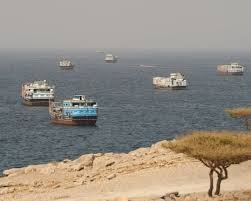
- Lifting the Blockade: In exchange for transparency, the United States would immediately lift the naval blockade currently enforced in the strategic Strait of Hormuz.
- Financial Relief: The US would release a significant portion of Iran’s frozen assets, estimated at approximately $8 billion.
The Battle for the Strait of Hormuz
The Strait of Hormuz is one of the world’s most critical oil transit points. The proposal suggests that Iran would reopen the strait on the second day of the agreement, utilizing a route previously negotiated with Oman and registered with the International Maritime Organization (IMO).
Current reports indicate that Iran has been selectively allowing ships from China, India, Qatar, and Iraq to pass, reflecting the geopolitical alliances Tehran is leaning on. With nearly 42% of Gulf crude oil heading to China, the economic stakes of this waterway are astronomical.
Major Obstacles: Trust and Preconditions
Despite the proposal, several hurdles remain that could derail the negotiations:
1. The Trust Deficit
Tehran has expressed deep skepticism toward Rafael Grossi, the head of the IAEA. Iran claims that Grossi failed to maintain neutrality after the US bombed Iranian nuclear sites, fearing that any data gathered by inspectors would be used as targeting intelligence for future American or Israeli strikes.
2. Iran’s Demands
Iran has set a steep price for a full resolution, including:
- n
- An end to the war in Lebanon.
- The complete withdrawal of US forces from the Iranian coastline.
- A commitment to lift broad economic sanctions.
- Agreement on war reparations.
The Political Climate: Trump and Vance
The internal dynamics of the US administration also play a role. While Donald Trump has considered further assaults on Iranian nuclear sites, the credibility of these threats has been questioned. This follows remarks by Vice President JD Vance, who suggested that the political and economic costs of such a war were a critical factor in previous electoral shifts, signaling a potential hesitation to engage in a costly military campaign.
Final Thoughts
The current diplomatic push led by Qatar represents a fragile attempt to replace military escalation with strategic concessions. Whether the US is willing to trade frozen assets and naval access for IAEA inspections—and whether Iran can overcome its distrust of international monitors—remains to be seen.
📰 You May Also Like