
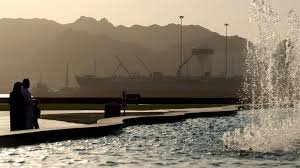
The Strait of Hormuz: Understanding the World’s Most Vital Energy Chokepoint
In the complex web of global geopolitics, few geographic locations carry as much weight as the Strait of Hormuz. This narrow waterway, connecting the Persian Gulf with the Gulf of Oman and the Arabian Sea, is far more than just a maritime passage; it is the jugular vein of the global energy market.
What Exactly is the Strait of Hormuz?
The Strait of Hormuz is a strategically located waterway that serves as the sole sea exit for the Persian Gulf. At its narrowest point, the shipping lanes are only two miles wide in each direction, making it one of the most sensitive “chokepoints” in the world.
For countries like Canada and other global economies, the stability of this region is paramount. Any disruption here doesn’t just affect local nations—it sends shockwaves through gas stations and industrial hubs across the globe.
Why is it So Strategically Important?
The primary reason the world keeps a close eye on Hormuz is oil. A significant portion of the world’s total oil consumption passes through this strait daily. Here are the key factors that make it indispensable:
- n
- Oil Volume: Approximately one-fifth of the world’s total oil consumption is shipped through the strait.
- LNG Exports: It is the primary route for Liquefied Natural Gas (LNG) from Qatar, one of the largest exporters globally.
- Economic Dependency: Many Asian economies, including China, Japan, and India, rely heavily on these shipments to power their industries.
To understand the scale of this dependency, you can explore data from the International Energy Agency (IEA), which tracks global energy flows and security risks.
Geopolitical Tensions and Global Impact
Because of its critical nature, the Strait of Hormuz is often at the center of diplomatic and military friction. Tensions between Iran, the United States, and other Gulf allies frequently manifest as threats to close or disrupt the strait.
What happens if the Strait is closed?
A closure or significant disruption would likely lead to:
- Price Spikes: A sudden drop in oil supply would cause crude prices to skyrocket almost instantly.
- Supply Chain Chaos: Increased shipping costs and insurance premiums for tankers.
- Global Inflation: Higher energy costs typically lead to increased prices for consumer goods, affecting the cost of living in North America and beyond.
The Path Toward Energy Diversification
The vulnerability of the Strait of Hormuz has pushed many nations to seek alternatives. This includes building pipelines that bypass the strait or investing heavily in renewable energy sources to reduce dependence on Middle Eastern hydrocarbons.
For more detailed analysis on maritime law and international waters, the United Nations provides frameworks on the right of transit passage, which is crucial for keeping these waters open.
Conclusion
The Strait of Hormuz remains a symbol of the delicate balance between geography, energy, and power. While the world moves toward a greener future, the stability of this narrow stretch of water continues to be a cornerstone of global economic security.
Stay informed on global trends and geopolitical shifts to understand how they impact your wallet and the world.



