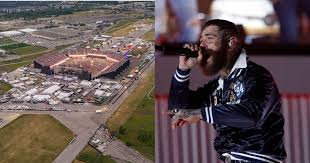
The Buzz and the Noise: Addressing Rogers Stadium Sound Level Issues
Attending a massive concert or a high-stakes game at a premier venue should be an immersive experience. However, a growing number of attendees have started voicing concerns regarding Rogers Stadium sound level issues. From muffled vocals to uneven audio distribution, the sonic experience isn’t always hitting the right notes.
Why Sound Quality Matters in Large Venues
In a stadium setting, audio engineering is a complex battle against physics. The goal is to ensure that a fan in the nosebleed sections hears the same clarity as someone in the front row. When sound level issues arise, it often manifests as “acoustic dead zones” or overwhelming bass that drowns out the melody.
Common Complaints Regarding Rogers Stadium Audio
Fans and critics have pointed out several recurring problems that impact the overall atmosphere:
- n
- Inconsistent Volume: Some areas of the stadium experience deafening levels, while others struggle to hear the performance.
- Echo and Reverb: Due to the structural materials and the vast open space, sound often bounces, creating a “muddy” audio effect.
- Poor Balance: A lack of synchronization between the main arrays and the fill speakers can lead to disjointed sound.
n
n
n
The Science Behind the Struggle
Stadiums are notoriously difficult environments for sound engineers. Factors such as the retractable roof, the concrete surfaces, and the sheer volume of the crowd all contribute to how sound waves travel. To understand more about how these environments work, you can explore the principles of architectural acoustics, which explain the challenges of managing sound in large-scale arenas.
What Can Be Done to Improve the Experience?
Fixing Rogers Stadium sound level issues requires a combination of hardware upgrades and precise tuning. Potential solutions include:
- Advanced Line Array Systems: Implementing more precise speaker technology to direct sound more accurately toward the audience.
- Acoustic Treatment: Adding sound-absorbing materials to strategic points to reduce echo.
- Digital Signal Processing (DSP): Utilizing modern software to calibrate audio in real-time based on the venue’s current occupancy and weather conditions.
n
n
Final Thoughts
While the energy of a live event at Rogers Stadium is undeniable, the audio quality is a critical piece of the puzzle. Addressing these sound level issues will not only satisfy the audiophiles but will ensure that every fan gets the premium experience they paid for.