
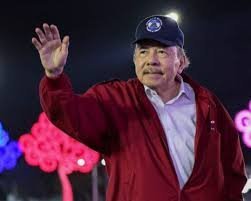
The End of Democracy? Nicaraguan President Daniel Ortega Vows to End Elections
In a move that has sent shockwaves through the international community, the Nicaraguan president, Daniel Ortega, has announced a drastic shift in the country’s political landscape. During a ceremony marking the 47th anniversary of the 1979 Sandinista revolution, the 80-year-old leader declared that Nicaragua will no longer hold elections, effectively aiming to shut the door on any political opposition.
This announcement marks a significant escalation in what many observers describe as the final transition of Nicaragua from a flawed democracy into a full-fledged family dictatorship.
Building a “Wall” Against the Opposition
President Ortega, who has held power since 2007, was explicit in his intentions. He stated that he would collaborate with the National Assembly—which he firmly controls—to implement new laws designed to “build a wall” and create a barrier against those he labels as “coup plotters” and “traitors.”
The implications are clear: by eliminating the electoral process, the Nicaraguan president intends to remove the only remaining legal mechanism that could potentially shift power away from his administration. This comes as a blow to the hope of democratic restoration in Central America.
The Rise of the Murillo-Ortega “Family Dictatorship”
The grip on power is not held by Ortega alone. His wife, Rosario Murillo, serves as the “co-president,” a title cemented by recent constitutional reforms that also extended the presidential term from five to six years. This power dynamic has led the United States government to officially refer to the administration as the “Murillo-Ortega dictatorship.”
Experts, including Tiziano Breda of the NGO Armed Conflict Location and Event Data, suggest that this extreme move stems from a fear of dissent. Instead of risking a rigged election that might still spark protests, the regime has opted to eliminate competition entirely.
A Legacy of Repression and Human Rights Abuses
The current political climate is the result of years of steady erosion of civil liberties. The Nicaraguan president has faced severe international condemnation for his regime’s violent crackdowns, most notably in 2018. According to reports from the United Nations, those protests resulted in over 350 deaths and forced nearly one million Nicaraguans into exile.
The scale of the repression is staggering:
- n
- Political Prisoners: Approximately 50 political prisoners remain incarcerated, according to Human Rights Watch.
- Citizenship Stripped: 546 individuals have been stripped of their Nicaraguan citizenship.
- Institutional Shutdowns: Over 5,600 NGOs, 29 universities, and 58 media outlets have been forcibly closed.
Global Reaction and the Future of Nicaragua
The international community, including the US State Department and 30 former Ibero-American presidents, continues to hold Ortega and Murillo accountable for systemic abuses, including the death of Indigenous leader Brooklyn Rivera while in state custody.
As the Nicaraguan president moves to solidify his absolute control, the world watches to see if diplomatic pressure or internal unrest can ever breach the “wall” he is building against his own people.



