
Hidden Dangers: Are Your Children’s Squishy Toys Actually Safe?
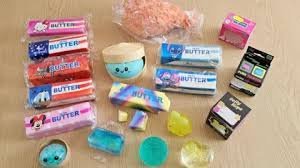
Squishy toys and fidgets have become an absolute sensation for children and teens alike. Their satisfying texture and stress-relieving properties make them a staple in many toy boxes. However, a recent wave of safety warnings has revealed a darker side to these playful gadgets. Unsafe squishy toys are circulating in the market, posing significant risks to the little ones we love.
The Warning Signs: What Went Wrong?
The alarm was recently sounded after the Office of Fair Trading (OFT) in the Isle of Man seized 81 items from a local retailer. These products, including popular squishy dumplings and various fidget toys, failed to meet basic safety standards. But what exactly makes a toy “unsafe”?
According to safety inspectors, the primary concerns include:
- n
- Chemical Hazards: Some non-genuine squishies are made with materials that can release toxic chemicals.
- Choking Risks: Poorly manufactured toys may break apart easily, creating small pieces that are dangerous for young children.
- Lack of Guidance: Many of these products lack essential age warnings and clear instructions for use.
- Poor Labelling: Missing importer or supplier information makes it nearly impossible to hold manufacturers accountable.
n
n
n
n
How to Spot a Dangerous Squishy Toy
As a parent, you don’t need to be a safety expert to protect your children. You can often identify a counterfeit or dangerous toy simply by examining the packaging. Here is a quick checklist to ensure your child’s toys are safe:
- Check for Certification Marks: Look for the CE or UKCA safety markings. These indicate that the product meets strict health and safety regulations.
- Verify the Importer: If the packaging only lists where the product was made but lacks details of a supplier or importer based in a regulated region (like the UK, EU, or North America), be cautious.
- Read the Age Warning: Genuine products will clearly state the minimum age for which the toy is appropriate.
- Inspect the Material: If the toy has an overwhelming chemical smell or feels unusually sticky/oozy, it may be best to discard it.
Prioritizing Child Safety
Tim Glover, Chairman of the OFT, emphasizes that while these toys look harmless, the risks are real when standards are ignored. To further ensure the safety of products in your home, it is always a good idea to consult official resources like Health Canada’s Consumer Product Safety page to stay updated on recent recalls.
Your vigilance is the best defence. Take a moment today to audit your child’s toy collection and ensure that every squishy, fidget, and gadget is safe for play.



