
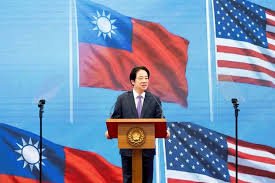
Taiwan, officially the Republic of China (ROC), is an island nation in East Asia, renowned globally for its technological prowess and increasingly significant geopolitical position. Often described as the ‘Silicon Shield’ of the world, Taiwan plays a pivotal role in the global semiconductor industry, and its future is a subject of intense international scrutiny.
A Technological Giant: The Semiconductor Industry
Taiwan Semiconductor Manufacturing Company (TSMC) dominates the global market for contract semiconductor manufacturing, producing chips for companies like Apple, Nvidia, and Qualcomm. This dominance isn’t accidental; it’s the result of decades of strategic investment in research and development, a highly skilled workforce, and a supportive government policy. The island produces over 60% of the world’s semiconductors and more than 90% of the most advanced chips. This concentration makes Taiwan absolutely critical to the functioning of the modern global economy. Disruptions to Taiwanese chip production would have cascading effects on industries worldwide, from smartphones and computers to automobiles and defense systems. You can learn more about the semiconductor industry’s importance at Semiconductors.org.
Geopolitical Significance: A Complex Relationship
Taiwan’s political status is complex. The People’s Republic of China (PRC) views Taiwan as a renegade province that must eventually be reunified with the mainland, by force if necessary. However, Taiwan maintains its own democratically elected government, military, and economic system. The United States maintains a policy of ‘strategic ambiguity,’ neither confirming nor denying whether it would intervene militarily if China were to attack Taiwan. This ambiguity is intended to deter China while also avoiding a commitment that could escalate tensions. The situation is further complicated by Taiwan’s close economic ties with numerous countries, including the US, Japan, and South Korea.
Economic Strengths Beyond Semiconductors
While semiconductors are the headline, Taiwan’s economy is diverse. It boasts a thriving manufacturing sector, particularly in electronics, petrochemicals, and textiles. The island is also a significant player in the global shipping industry, with Kaohsiung being a major port. Taiwan’s strong export-oriented economy has consistently delivered high growth rates, making it one of the most prosperous economies in Asia. The government is actively promoting innovation in areas like biotechnology and green energy to further diversify the economy and reduce reliance on semiconductors.
Cultural Richness and Modern Life
Taiwan’s culture is a fascinating blend of Chinese, Japanese, and indigenous influences. Traditional Chinese customs are prevalent, but the island has developed its own unique identity. Taiwanese cuisine is world-renowned, with night markets offering a vibrant array of street food. The country is also known for its stunning natural beauty, from towering mountains and lush forests to picturesque coastlines. Modern Taiwan is a dynamic and progressive society, with a high standard of living and a commitment to democratic values. For more information on Taiwanese culture, visit Taiwan’s official government website.
The Future of Taiwan
The future of Taiwan remains uncertain. The increasing assertiveness of China, coupled with the island’s strategic importance, means that Taiwan will likely remain a focal point of geopolitical tension for years to come. However, Taiwan’s economic strength, technological innovation, and democratic values position it to continue playing a vital role in the global landscape. Navigating the complex relationship with China while maintaining its independence and prosperity will be the defining challenge for Taiwan in the 21st century.



