
Updated: March 5, 2026, at 12:35 PM EST
Published: March 5, 2026, at 9:53 AM EST
Recent activity involving Russian military planes near Alaska has sparked heightened vigilance and concern among North American defense officials. Over the past week, multiple instances of Russian aircraft entering the Alaskan Air Defense Identification Zone (ADIZ) have been reported, prompting the North American Aerospace Defense Command (NORAD) to scramble fighter jets for interception. This isn’t a new phenomenon, but the frequency and proximity of these flights are drawing increased attention.
What’s Happening?
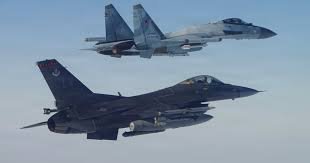
The Alaskan ADIZ is a designated airspace where the United States requires identification of all aircraft. While entering the ADIZ isn’t a violation of U.S. airspace, it does necessitate verification of the aircraft’s identity and purpose. NORAD has confirmed intercepting several Russian aircraft, including Tu-95 ‘Bear’ strategic bombers and Su-27 ‘Flanker’ fighter jets. These aircraft have been flying along the Alaskan coastline and near the Aleutian Islands.
According to NORAD, these interceptions were conducted safely and professionally. The Russian aircraft remained in international airspace throughout the encounters. However, the repeated nature of these events is raising questions about Russia’s intentions. Some analysts suggest these flights are a demonstration of Russia’s military capabilities and a way to probe North American defenses, particularly in light of the ongoing geopolitical tensions in Eastern Europe.
Why Now?
Several factors could be contributing to the increased Russian military activity near Alaska. The ongoing conflict in Ukraine has undoubtedly heightened global tensions. Russia may be seeking to signal its resolve and demonstrate its ability to project power globally. Additionally, the timing coincides with increased U.S. and allied military exercises in the region, potentially prompting a response from Russia. The Arctic region is becoming increasingly strategically important due to climate change and the opening of new shipping routes, further adding to the geopolitical complexity.
What Does This Mean for North American Security?
While the Russian flights haven’t posed an immediate threat, they underscore the importance of maintaining a robust air defense system. NORAD is constantly monitoring the skies and is prepared to respond to any potential threats. The U.S. and Canada are working closely together to enhance their defense capabilities in the Arctic region. This includes investments in new radar systems, improved communication networks, and increased military presence. The U.S. Department of Defense is actively assessing the situation and taking steps to ensure the security of North American airspace.
The situation remains fluid, and continued monitoring is crucial. The frequency and nature of these Russian flights will be closely watched in the coming weeks and months. Understanding Russia’s motivations and intentions is key to maintaining stability and preventing escalation.



