
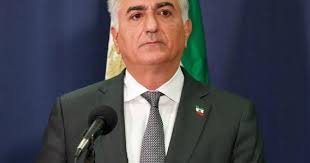
Reza Pahlavi Calls for Iranian Unity Amidst Rising Tensions and Protests
Prince Reza Pahlavi, son of the last Shah of Iran, has voiced strong support for the Iranian people amidst ongoing protests and escalating tensions. On Friday, he praised the “brave presence” of residents in Nurabad Mamasani for rejecting the current ruling system and raising the pre-revolutionary Lion and Sun flag. This act of defiance came as the community marked the 40th day since those killed during the January protests.
In a post on X (formerly Twitter), Pahlavi emphasized that their actions, despite the “great massacre,” demonstrated unwavering resolve and signaled a path towards victory for the Iranian nation. He addressed the Iranian people, reminding them of their historical role as guardians of the country, defending its homeland and territorial integrity with “arms and honor.”
A Vision for a Rebuilt Iran
Pahlavi’s message resonated with a call for unity and a hopeful vision for the future. “Together and united, we will take Iran back and rebuild it freer and more prosperous than before,” he declared, concluding with the patriotic sentiment, “Long live Iran.” This statement underscores his commitment to a future Iran that respects the rights and freedoms of its citizens.
US Security Concerns and Embassy Departures
Simultaneously, escalating regional tensions prompted the US Ambassador to Israel, Mike Huckabee, to urge embassy staff in Jerusalem to depart immediately if they wished to do so. This directive, reported by the New York Times, stemmed from growing security concerns. Huckabee advised employees to secure outbound flights from Ben-Gurion Airport as soon as possible.
The US Embassy has transitioned to an “authorized departure” status, allowing nonessential personnel and their families to leave at government expense. This move, described as a precaution following consultations with the State Department, reflects the heightened sensitivity of the situation. While urging calm, Huckabee emphasized the importance of making departure plans “sooner rather than later.”
State Department Travel Advisory
The US State Department issued a travel advisory authorizing the departure of non-emergency US government personnel from Israel due to safety risks. The advisory also warned of potential restrictions on travel by US government employees to certain areas, including the Old City of Jerusalem and the West Bank. Citizens were urged to reconsider travel to Israel and the West Bank altogether, and to avoid Gaza due to ongoing terrorism and armed conflict. Specific warnings were issued regarding proximity to the Lebanese and Syrian borders, and the Gaza demarcation line.
Human Rights Concerns and Calls for Moratorium on the Death Penalty
The international community is also expressing grave concerns regarding human rights in Iran. UN human rights chief Volker Turk called for an immediate moratorium on the death penalty, warning that more individuals could face execution following the issuance of the first death sentence linked to the January mass protests. Reports indicate at least eight people, including two children, have been sentenced to death, with another 30 potentially at risk.
Filmmakers Condemn Protest Suppression
A growing chorus of Iranian voices is condemning the suppression of anti-government protests. A group of Iranian filmmakers has renewed a January statement, now with 266 signatories, denouncing the crackdown on peaceful demonstrations. They assert that protest is a fundamental human right and that no authority should position itself above the people. The statement, titled “We stand with the people of Iran,” highlights the devastating consequences of the government’s actions, citing reports of over 36,500 deaths during the suppression of protests ordered by Supreme Leader Ali Khamenei.
The filmmakers also pointed to decades of misgovernance despite Iran’s vast resources, attributing widespread poverty and despair to organized corruption, the plunder of public wealth, and a “fear-inducing ideology.” Notable signatories include prominent filmmakers such as Pegah Ahangarani, Mahnaz Afshar, Rakhshan Bani-Etemad, Jafar Panahi, and Asghar Farhadi.
They pledged to document “these days and these wounds” and defend freedom of expression, standing in solidarity with the Iranian people.
Further Reading: Iran International



