
Qatar and Saudi Arabia Mediate Amidst Pakistan-Afghanistan Conflict
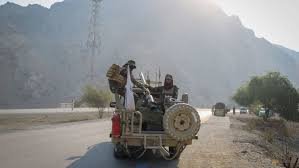
Riyadh, Saudi Arabia – Saudi Arabia and Qatar are actively engaged in diplomatic efforts to de-escalate the growing tensions between Pakistan and Afghanistan, following recent Pakistani airstrikes that have raised fears of a wider conflict. This intervention comes as Pakistan declared it is in an “open war” with the Taliban after conducting extensive bombardments of major Afghan cities – the most significant since the Taliban’s return to power in 2021.
A source with direct knowledge of the negotiations revealed to AFP that Saudi Arabia, in coordination with Qatar, is working to reduce tensions and prevent the situation from spiralling out of control. The goal is to achieve a swift de-escalation and avoid further bloodshed.
Diplomatic Efforts Underway
On Friday, Qatar’s chief negotiator, Mohammed Al-Khulaifi, spoke with Afghanistan’s acting foreign minister, Mawlawi Amir Khan Muttaqi, as confirmed by Doha. Simultaneously, Saudi Arabia’s Foreign Minister, Prince Faisal bin Farhan, engaged in discussions with his Pakistani counterpart, Ishaq Dar. According to a Saudi statement, both Riyadh and Doha are maintaining contact at the highest levels with both sides, hoping for a rapid resolution to the confrontation.
Pakistan’s recent operation followed retaliatory attacks by Afghan forces on Pakistani border troops on Thursday night, stemming from earlier airstrikes conducted by Islamabad. This cycle of retaliation highlights the fragile state of relations between the two nations.
A History of Tensions and Mediation
The relationship between the Taliban government and Pakistan has been characterized by fluctuating periods of cautious engagement and outright hostility. Islamabad consistently accuses Afghanistan of failing to address militant groups operating within its borders that launch attacks on Pakistan. The Taliban government, however, denies these accusations.
Previous attempts at mediation have yielded limited success. In October, Qatar and Turkey brokered a truce after clashes resulted in over 70 casualties on both sides. However, subsequent negotiations held in Doha and Istanbul have failed to establish a lasting agreement.
Qatar’s Long-Standing Role in Regional Diplomacy
Qatar has a well-established history as a key mediator in regional conflicts. In 2013, with the approval of then-US President Barack Obama, Qatar facilitated the opening of a political office for the Taliban in Doha. More recently, the Gulf nation intervened to secure the release of three Pakistani soldiers captured by Afghanistan, demonstrating its commitment to regional stability.
Saudi Arabia, a close military ally of Pakistan with a mutual defence pact signed last year, also wields significant influence. Both the Afghan and Pakistani militaries claim to have inflicted substantial casualties on each other during the latest violence. Land border crossings between the two countries have remained largely closed since the deadly clashes in October, further exacerbating the situation.
Stay informed: For further insights into international relations and conflict resolution, explore resources from the Council on Foreign Relations and Chatham House.
Copyright© Mediacorp 2026. Mediacorp Pte Ltd. All rights reserved.



