
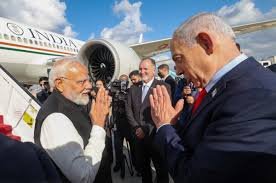
Benjamin Netanyahu: A Deep Dive into Israel’s Longest-Serving Prime Minister
Benjamin Netanyahu is a towering, and often controversial, figure in Israeli politics. Serving as Prime Minister for a combined total of over 15 years, he is Israel’s longest-serving prime minister. This article provides a comprehensive overview of his career, political stance, recent news, and the ongoing controversies surrounding his leadership.
Early Life and Political Career
Born in Tel Aviv in 1949, Netanyahu’s family moved to the United States when he was young. He received a Bachelor of Science degree in architecture from MIT and a Master of Science degree in management from MIT Sloan School of Management. He served as an economic attaché for the Israeli embassy in the US before entering politics.
Netanyahu first rose to prominence as a diplomat and spokesperson for Israel. He entered the Knesset (Israeli parliament) in 1988 and quickly ascended the ranks of the Likud party. His first term as Prime Minister began in 1996, lasting until 1999. He returned to power in 2009 and has remained a dominant force in Israeli politics ever since, despite facing numerous challenges and legal battles.
Political Stance and Key Policies
Netanyahu is generally considered a conservative politician with a strong focus on national security. Key tenets of his political platform include:
- Strong Security Policy: Advocating for a robust military and a hard line against perceived threats to Israel’s security.
- Economic Liberalism: Promoting free market principles and reducing government intervention in the economy.
- Settlement Expansion: Supporting the continued expansion of Israeli settlements in the West Bank, a policy widely criticized internationally.
- Opposition to a Two-State Solution (with caveats): While occasionally expressing support for a two-state solution, his actions and rhetoric have often been seen as undermining the possibility of a viable Palestinian state.
Recent News and Developments
Recent months have been particularly turbulent for Netanyahu. He is currently on trial for charges of bribery, fraud, and breach of trust. The trial has sparked widespread protests and political division within Israel. The ongoing judicial overhaul proposed by his government has also led to significant unrest and concerns about the future of Israeli democracy. Reuters provides ongoing coverage of these developments.
Furthermore, the October 7th, 2023 attacks by Hamas and the subsequent war in Gaza have placed immense pressure on Netanyahu’s government. His handling of the crisis and the future of the conflict remain major points of contention. The New York Times offers in-depth analysis of the conflict.
Controversies and Criticisms
Throughout his career, Netanyahu has faced numerous controversies, including:
- Corruption Allegations: The ongoing legal proceedings are the most significant, but he has faced accusations of impropriety throughout his tenure.
- Strained Relations with the US: While generally maintaining a close relationship with the United States, there have been periods of tension, particularly during the Obama administration.
- Polarizing Rhetoric: Critics accuse him of using divisive language and exacerbating tensions between Israelis and Palestinians.
The Future of Netanyahu and Israeli Politics
The future of Benjamin Netanyahu and Israeli politics remains uncertain. The outcome of his trial, the ongoing conflict in Gaza, and the internal divisions within Israel will all play a crucial role in shaping the country’s trajectory. His legacy will undoubtedly be complex and debated for years to come.



