
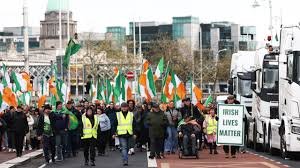
Ireland has recently been the site of a series of significant protests, drawing attention both domestically and internationally. These demonstrations, while varied in their specific focuses, share a common thread of public discontent and a desire for change. Understanding the nuances of these Ireland protests is crucial for grasping the current socio-political climate of the country.
What’s Fueling the Ireland Protests?
The recent wave of protests in Ireland isn’t attributable to a single cause. Several interconnected issues are driving citizens to take to the streets. A major factor is the ongoing housing crisis, with soaring rents and a lack of affordable housing pushing many to the brink. This has been particularly acute in Dublin and other major cities. The cost of living crisis, exacerbated by global events, is also a significant contributor, impacting everything from groceries to energy bills.
Beyond economic concerns, there’s growing frustration with government policies on immigration and asylum. Misinformation and far-right narratives have unfortunately played a role in shaping public discourse around these issues, leading to tensions and, ultimately, protests. It’s important to note that the vast majority of protesters are not motivated by extremist ideologies, but rather by genuine concerns about the future of their communities.
Key Events and Demonstrations
Several key events have sparked particularly large and impactful Ireland protests. Recent demonstrations in Dublin, for example, were triggered by an incident involving alleged attacks on individuals, quickly escalating into broader expressions of anger and frustration. These events have been widely covered by Irish media, such as RTÉ News, and international outlets like BBC News.
- Housing Protests: Regular demonstrations demanding government action on affordable housing.
- Cost of Living Rallies: Protests focused on the rising cost of essential goods and services.
- Immigration & Asylum Demonstrations: Events related to government policies on immigration, often attracting both supporters and counter-protesters.
The Impact and Future Outlook
The Ireland protests are having a significant impact on the political landscape. They’ve forced the government to address the issues raised by demonstrators, although the effectiveness of these responses remains a subject of debate. The protests have also sparked a national conversation about the challenges facing Irish society, including housing, inequality, and immigration.
Looking ahead, it’s likely that protests will continue as long as the underlying issues remain unresolved. The government faces a delicate balancing act: addressing legitimate concerns without succumbing to pressure from extremist groups. The ability to foster constructive dialogue and implement effective policies will be crucial in navigating this challenging period. Further information on Irish government policies can be found on the official government website: gov.ie.



