
Iran Strait of Hormuz: Navigating Escalating Tensions and Global Impact
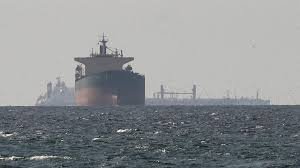
The Strait of Hormuz, a critical waterway for global oil shipping, is once again at the center of international concern. Recent events, including military actions and heightened rhetoric, have sparked fears of disruption and instability. UK Prime Minister Keir Starmer has affirmed the UK is “working with allies” on a viable plan to address the situation, while simultaneously announcing a £53m package to support those impacted by rising heating oil prices – a direct consequence of the escalating conflict in the region.
US Calls for Allied Support and Concerns Over NATO
The situation gained further complexity with comments from former US President Donald Trump, who emphasized the importance of allied support in securing the Strait of Hormuz. He warned that a lack of assistance could negatively impact the future of NATO, and even suggested delaying a summit with Chinese President Xi Jinping if China doesn’t contribute to unblocking the strait. This highlights the geopolitical implications extending beyond the immediate conflict zone.
Internet Restrictions and Citizen Resilience in Iran
Amidst the turmoil, the Iranian government has intensified its efforts to control the flow of information. A widespread internet outage has made it difficult to connect with those inside Iran, but tech-savvy residents are utilizing SpaceX’s Starlink devices to maintain communication. However, using Starlink in Iran carries significant risks, with potential penalties of up to two years in prison, and authorities are actively searching for and confiscating the devices. Reports indicate arrests of individuals allegedly setting up networks to provide “unfiltered” internet access via Starlink, demonstrating the regime’s determination to suppress dissent and control narratives.
Military Strikes and Damage Assessment
Recent US military strikes on Kharg Island, a vital hub for Iranian oil exports, have targeted airport runways, control towers, and bunkers, while reportedly avoiding direct damage to oil facilities. Monitoring groups have observed new tankers loading crude oil from the island following the bombing, suggesting a swift attempt to resume operations. Satellite imagery reveals damage to the runway at Kharg Island airport, indicating the impact of the strikes.
NATO’s Role and Regional Security
NATO officials acknowledge that allies are already increasing security measures in the Mediterranean. While the current conflict isn’t a traditional NATO operation, the alliance is actively engaged in discussions about potential contributions to regional security. The situation underscores the need for a coordinated international response to safeguard vital shipping lanes and prevent further escalation.
Historical Context and Current Threats
The threats to maritime traffic in the Strait of Hormuz are not new. Iran has repeatedly threatened attacks on ships linked to its adversaries, utilizing short-range drones, missiles, and fast speedboats. The presence of an estimated 5,000 sea mines further complicates the situation. Historically, the UK maintained a strong naval presence in the Gulf with its Armilla Patrol, but currently lacks minehunting vessels stationed in the region.
UK Response and Diplomatic Efforts
Prime Minister Starmer has emphasized the UK’s commitment to protecting its citizens in the region and avoiding involvement in a wider war. He highlighted the UK’s diplomatic efforts, including discussions with President Trump and other international leaders, to de-escalate the conflict and secure a swift resolution. The UK has also facilitated the return of over 92,000 British nationals from the region and deployed military assets, including fighter jets and counter-drone teams, to Cyprus.
Escalation in Lebanon and Regional Implications
The conflict is expanding beyond Iran, with the Israel Defense Forces (IDF) initiating ground operations against Hezbollah strongholds in southern Lebanon. This escalation has displaced over 800,000 people in Lebanon, exacerbating the humanitarian crisis. The situation underscores the interconnectedness of regional conflicts and the potential for wider instability.
Looking Ahead: Negotiation and Stability
Starmer has stated that reopening the Strait of Hormuz is crucial for ensuring stability in global markets, acknowledging that it is “not a simple task.” He emphasized the need for a negotiated agreement to limit Iran’s ability to rebuild its nuclear program and secure international shipping. The path forward requires a concerted international effort to de-escalate tensions, promote dialogue, and safeguard vital trade routes.
Further Reading:



