
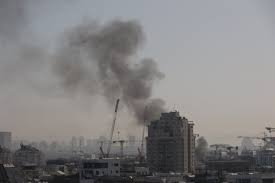
The recent escalation of tensions between Iran and Israel has sent shockwaves across the globe, raising fears of a wider regional conflict. This isn’t a sudden eruption; it’s the culmination of decades of geopolitical rivalry, religious differences, and proxy conflicts. Understanding the complexities of this situation is crucial for anyone seeking to grasp the potential ramifications for international security and global stability.
Understanding the Roots of the Conflict
The animosity between Iran and Israel dates back to the 1979 Islamic Revolution in Iran. The new Iranian regime rejected Israel’s right to exist and actively supported Palestinian militant groups. Israel, in turn, views Iran as an existential threat, citing its nuclear program and support for hostile actors in the region. This fundamental disagreement forms the bedrock of their ongoing conflict. Further complicating matters is the involvement of other regional powers, notably the United States, which maintains a strong alliance with Israel and has imposed sanctions on Iran.
Key events that have fueled the conflict include:
- Iran’s Nuclear Program: Israel considers Iran’s pursuit of nuclear capabilities unacceptable, fearing it could lead to a nuclear weapon.
- Proxy Conflicts: Both countries support opposing sides in conflicts across the Middle East, including in Syria, Lebanon (Hezbollah), and Yemen.
- Cyberattacks and Espionage: Both nations have engaged in cyber warfare and alleged espionage activities against each other.
- Recent Attacks: The recent exchange of attacks, beginning with the suspected Israeli strike on the Iranian consulate in Damascus, has dramatically escalated tensions.
The Latest Developments (April 2024)
In April 2024, the situation reached a critical point with Iran launching a barrage of drones and missiles towards Israel in retaliation for the Damascus consulate strike. Israel, with assistance from the United States, the United Kingdom, and Jordan, intercepted the vast majority of these projectiles. This direct military confrontation marks a significant escalation, moving beyond the previously established pattern of proxy warfare. The international community is now focused on de-escalation and preventing a full-scale war.
The United Nations has called for restraint, and diplomatic efforts are underway to mediate a ceasefire. However, the path to de-escalation remains uncertain. The potential for miscalculation and further escalation is high, particularly given the volatile regional dynamics.
Global Implications
A wider conflict between Iran and Israel could have far-reaching consequences:
- Oil Prices: The Middle East is a major oil-producing region, and a conflict could disrupt supply chains, leading to a surge in oil prices. The U.S. Energy Information Administration provides detailed analysis on global oil markets.
- Global Economy: Higher oil prices and increased geopolitical instability could negatively impact the global economy.
- Regional Instability: A full-scale war could destabilize the entire Middle East, potentially drawing in other countries.
- Humanitarian Crisis: Conflict would inevitably lead to a humanitarian crisis, with widespread displacement and loss of life.
The situation is evolving rapidly. Staying informed through reliable news sources is essential. Reuters and The Associated Press are providing ongoing coverage of the Iran-Israel conflict.



